NCERT Solutions for Class 12 Science – Chemistry Explained with MCQs
Why Class 12 Chemistry Is a High-Scoring Subject
Chemistry is different from other Science subjects. It rewards students who understand patterns, not just those who memorise everything. Class 12 Chemistry is one of those rare subjects where smart preparation can push your score from average to exceptional.
Why is Chemistry considered a high-scoring subject? There are three main reasons:
- The NCERT textbook is the primary source for board questions.
- Question patterns repeat year after year.
- Reaction mechanisms and named reactions are predictable.
That makes Chemistry one of the most rewarding subjects to invest time in, especially if you are also targeting NEET, JEE, or CUET.
What Are NCERT Solutions for Class 12 Chemistry?
Think of these solutions as your conceptual roadmap. They are not just plain answers copied from a key book. They provide step-by-step breakdowns of textbook problems, clarify the logic behind reaction mechanisms, explain numerical calculations, and prepare students for the answer structures expected in CBSE board examinations, NEET, JEE, and CUET.
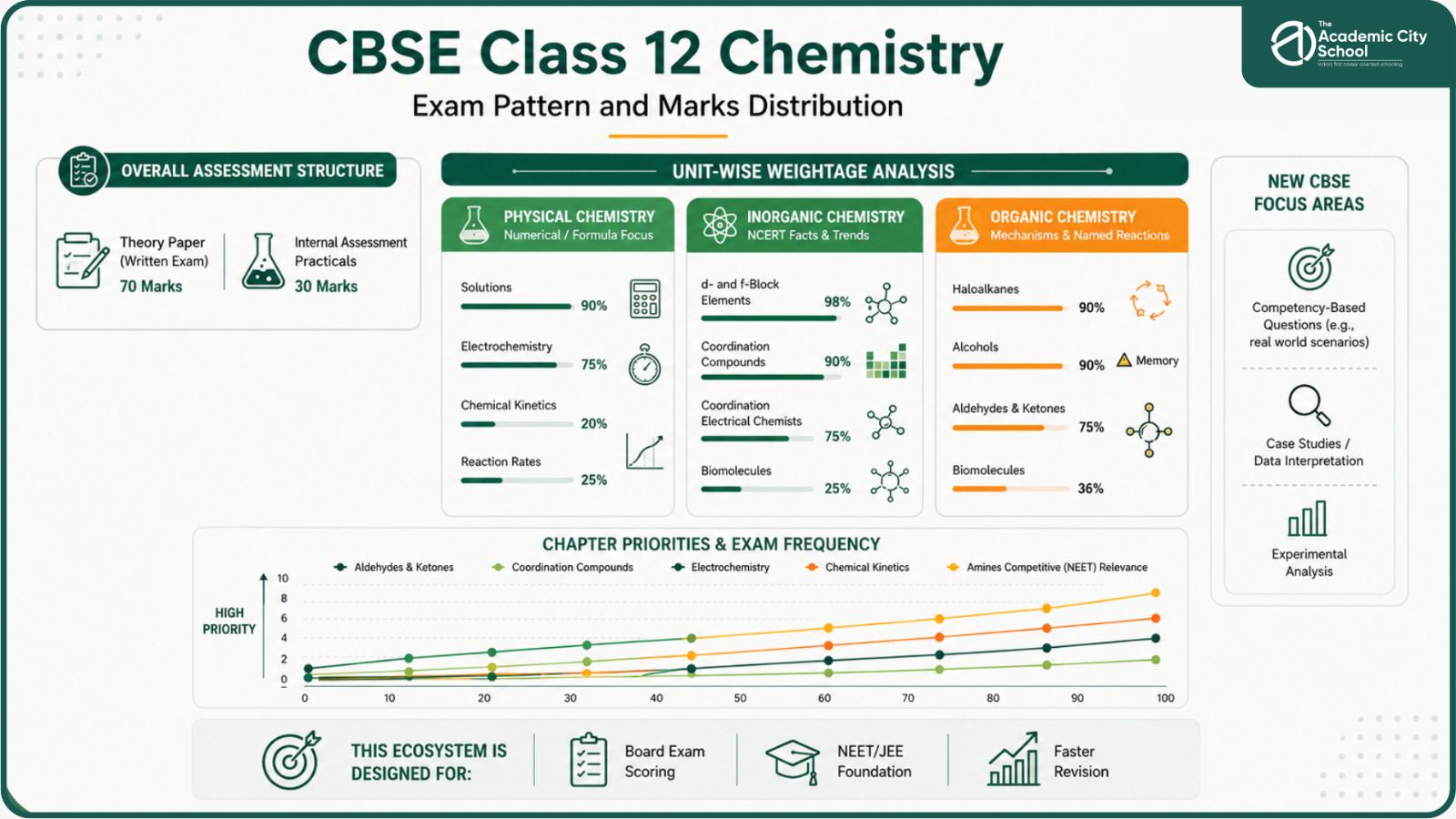 Figure 1: Complete Chemistry learning ecosystem
The Three Pillars of Chemistry
| Pillar | Focus Areas |
|---|---|
| Physical Chemistry | Numericals, formula applications, and electrochemical calculations |
| Organic Chemistry | Reaction mechanisms, named reactions, and conversion problems |
| Inorganic Chemistry | NCERT facts, periodic trends, and coordination chemistry |
CBSE Class 12 Chemistry Exam Blueprint and Marks Distribution
Before you open a chapter, understand what you are preparing for. The CBSE assessment structure for Class 12 Chemistry is split between theory and practical examinations.
| Component | Marks |
|---|---|
| Theory | 70 |
| Practical | 30 |
| Total | 100 |
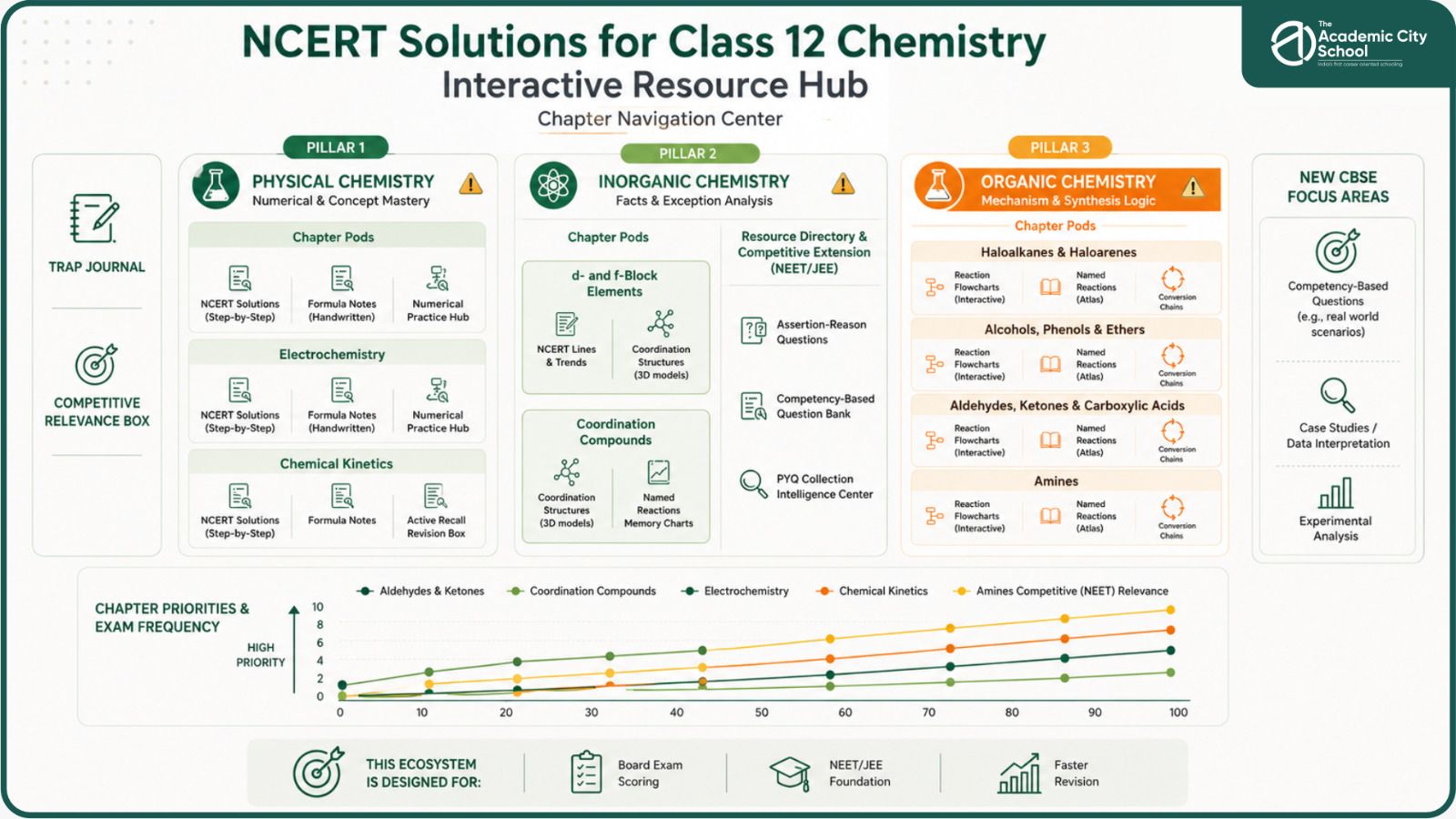 Figure 2: Exam structure and chapter priorities
The theory paper is no longer limited to textbook recall. CBSE has been steadily increasing its focus on:
- Competency-based questions that test application
- Case studies built around real-world Chemistry scenarios
- Data interpretation problems
- Experimental analysis questions
- Application-based learning questions
Physical and Inorganic Chemistry both carry significant weightage, while Organic Chemistry consistently holds a major share in competitive examinations such as NEET. Understanding this distribution helps students prioritise their preparation.
The Academic City School's 4-Tier Chemistry Learning Framework
Most study resources provide answers. At The Academic City School, we follow a four-tier learning system designed to take students from basic understanding to exam-ready confidence.
Tier 1: NCERT Solution Layer
Step-by-step textbook answers written in alignment with CBSE marking schemes. Every solution is structured to help students earn marks even when an answer is only partially complete.
Tier 2: Visual Chemistry Layer
Every chapter includes reaction flowcharts, mechanism maps, and memory diagrams. Chemistry is visual. Understanding electron movement makes it easier to write and recall mechanisms correctly.
Tier 3: Competitive Extension Layer
Specialised NEET and JEE questions are integrated into the learning process so that competitive examination foundations develop alongside board preparation.
Tier 4: AI Recall Layer
Quick-revision boxes support active recall and faster last-minute revision. They are structured to help students find concise answers quickly while preparing digitally.
Complete Chemistry Resource Hub Directory
Every chapter page on our platform is designed as a complete study resource and includes:
- NCERT Exercise Solutions
- Solved Examples
- Formula Notes
- Reaction Mechanisms
- Named Reactions
- MCQs covering concepts and numericals
- Assertion-Reason Questions
- Competency-Based Questions
- Previous Year Questions
- Common Mistake Alerts
- NEET and JEE Foundation Questions
- Revision Notes
- Downloadable PDFs
Interactive Chapter-Wise NCERT Solutions Matrix
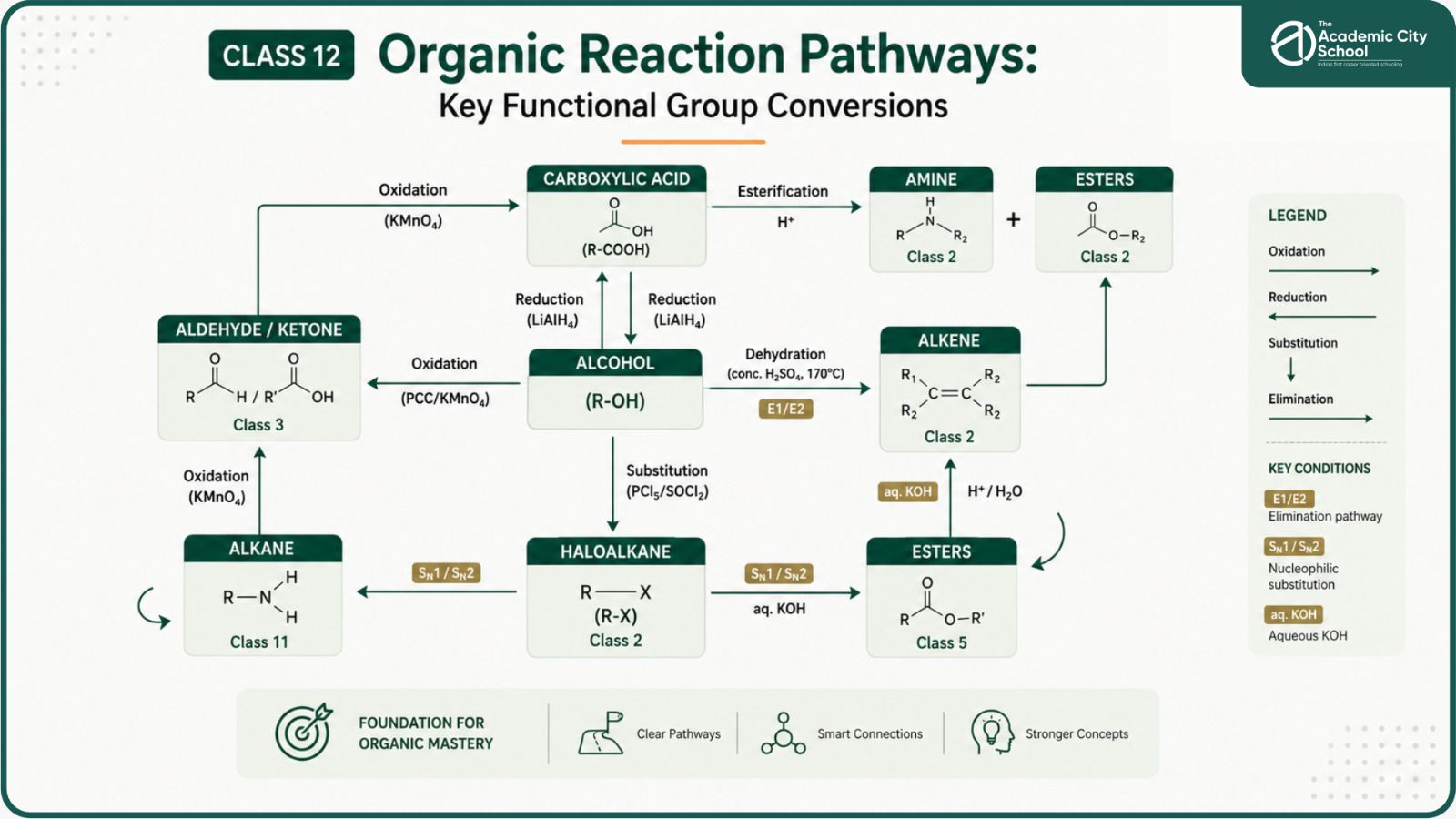 Figure 3: Interactive chapter navigation
Physical Chemistry
| Chapter | Key Concepts | Resources |
|---|---|---|
| Solutions | Colligative Properties and Raoult's Law | Solutions + MCQs |
| Electrochemistry | Nernst Equation and Kohlrausch's Law | Solutions + MCQs |
| Chemical Kinetics | Rate Laws, Half-Life, and Arrhenius Equation | Solutions + MCQs |
Inorganic Chemistry
| Chapter | Key Concepts | Resources |
|---|---|---|
| d- and f-Block Elements | Electronic Configuration and Properties | Solutions + MCQs |
| Coordination Compounds | Crystal Field Theory, Isomerism, and IUPAC Naming | Solutions + MCQs |
Organic Chemistry
| Chapter | Key Concepts | Resources |
|---|---|---|
| Haloalkanes and Haloarenes | SN1 and SN2 Mechanisms | Solutions + MCQs |
| Alcohols, Phenols and Ethers | Named Reactions and Oxidation | Solutions + MCQs |
| Aldehydes, Ketones and Carboxylic Acids | Aldol and Cannizzaro Reactions | Solutions + MCQs |
| Amines | Hofmann and Gabriel Synthesis | Solutions + MCQs |
| Biomolecules | Proteins, DNA, and Enzymes | Solutions + MCQs |
Chemistry Mastery Manual: Physical vs Organic vs Inorganic
Each branch of Chemistry demands a different study approach. Treating all three in the same way is a common mistake that wastes revision time.
Physical Chemistry Strategy
- Formula selection is essential. Choosing the wrong formula can cost the entire answer.
- Unit conversion errors are a major source of lost marks in numericals. Always check units before beginning a calculation.
- Practise at least ten numericals per concept before moving to the next topic.
Organic Chemistry Strategy
- Learn mechanisms first and memorise reaction names later.
- Reagent identification is a core examination skill. Understand what each reagent does.
- Practise conversion chains that connect two or three reactions.
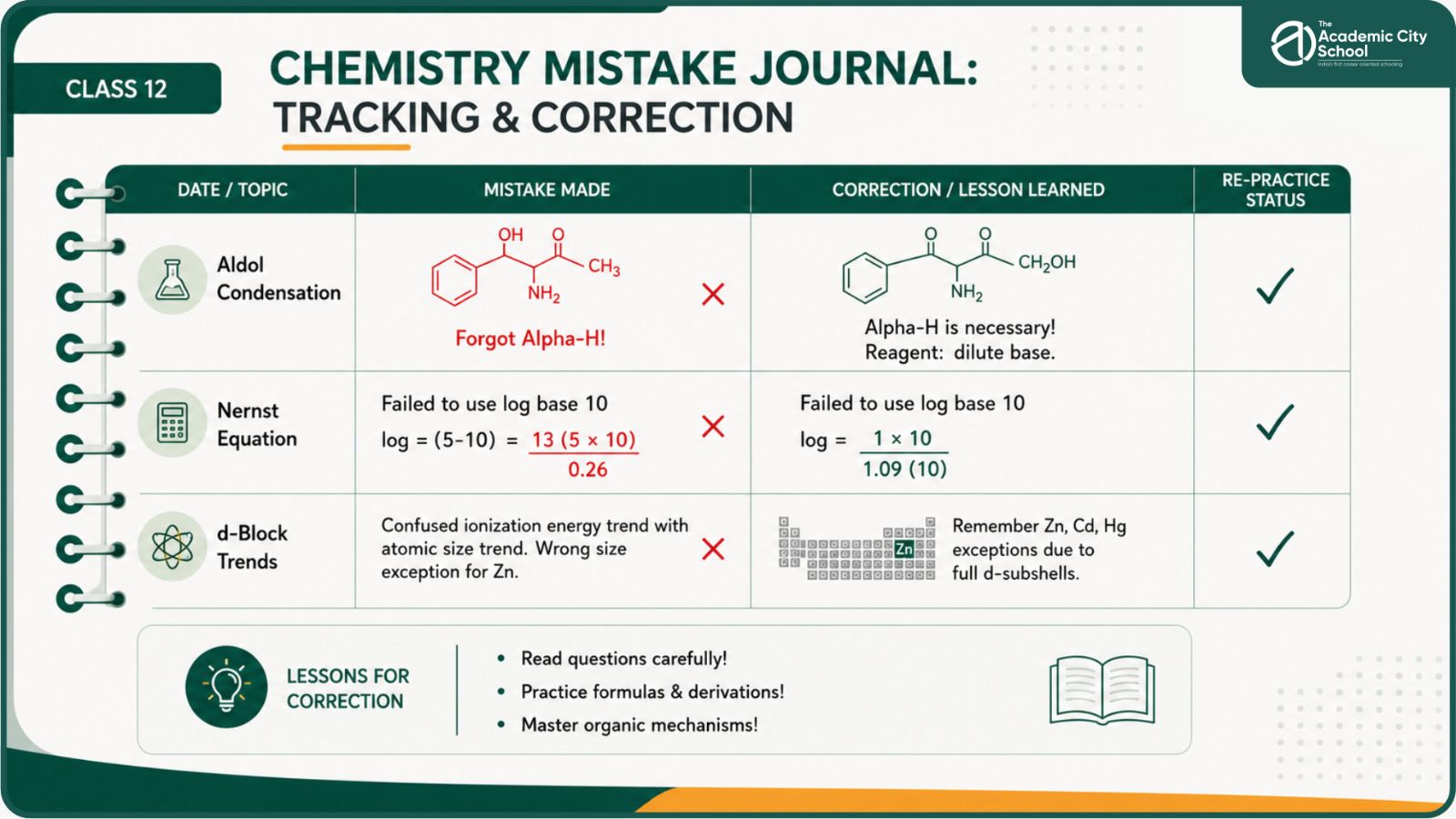 Figure 4: Reaction pathway visualisation
Inorganic Chemistry Strategy
- Read NCERT line by line because questions are often based directly on the textbook.
- Learn periodic trends along with their exceptions.
- Practise coordination compound naming daily to improve accuracy.
Physical Chemistry is like Mathematics with chemicals. Organic Chemistry is storytelling with molecules. Inorganic Chemistry is careful reading supported by memory.
High-Weightage Chapters and Exam Intelligence Dashboard
Not all chapters carry equal weightage. Some appear in board and competitive examination papers year after year and deserve deeper preparation.
| Chapter | Board Frequency | NEET Relevance |
|---|---|---|
| Coordination Compounds | Very High | Very High |
| Electrochemistry | Very High | High |
| Chemical Kinetics | High | High |
| Amines | High | High |
| Biomolecules | High | Very High |
| Aldehydes and Ketones | Very High | Very High |
Question themes repeat more consistently than exact questions. Students should master the underlying concept instead of memorising only one answer.
Named Reactions and Mechanism Mastery Zone
Named reactions are not merely definitions to memorise. They are predictable examination topics that appear regularly in board exams, NEET, and CUET.
Must-Know Named Reactions
- Aldol Condensation
- Cannizzaro Reaction
- Reimer-Tiemann Reaction
- Kolbe Reaction
- Sandmeyer Reaction
- Gabriel Phthalimide Synthesis
- Hofmann Bromamide Reaction
Mechanism Writing Framework
Follow this structure when writing a reaction mechanism in an examination:
- Write the reactants clearly.
- State the reagents and conditions.
- Show the intermediate formation with electron movement.
- Write the final product.
- Mention exception cases when asked.
At The Academic City School, mechanisms are supported with flowcharts, electron-movement arrows, and memory triggers so that students understand the logic rather than memorising isolated steps.
MCQ Practice and Competency-Based Questions Hub
Class 12 Chemistry MCQs are not limited to straightforward recall. The CBSE pattern includes concept-based MCQs, numerical MCQs, assertion-reason questions, and case studies based on real applications.
Real-Life Application Areas in Chemistry MCQs
- Batteries and fuel cells in Electrochemistry
- Corrosion and its prevention
- Medicines and drug Chemistry in Biomolecules
- Commercial importance of Alcohols and Phenols
- Industrial applications of Coordination Compounds
Competency-based questions test whether students can apply their knowledge to unfamiliar situations. They should be practised separately from standard MCQs.
Previous Year Question Intelligence Centre
Previous Year Questions are not just practice papers. They are data. Analysing them reveals the concepts that examination boards return to repeatedly.
| Chapter | PYQ Trend |
|---|---|
| Coordination Compounds | Very High |
| Electrochemistry | Very High |
| Chemical Kinetics | High |
| Amines | High |
| Biomolecules | High |
Question themes repeat more often than exact questions. Understanding why a topic is frequently tested creates a stronger preparation strategy than simply solving one previous paper.
Chemistry Trap Journal: Common Mistakes That Cost Marks
These mistakes have been compiled from years of faculty observation. They continue to cost students marks even after preparation.
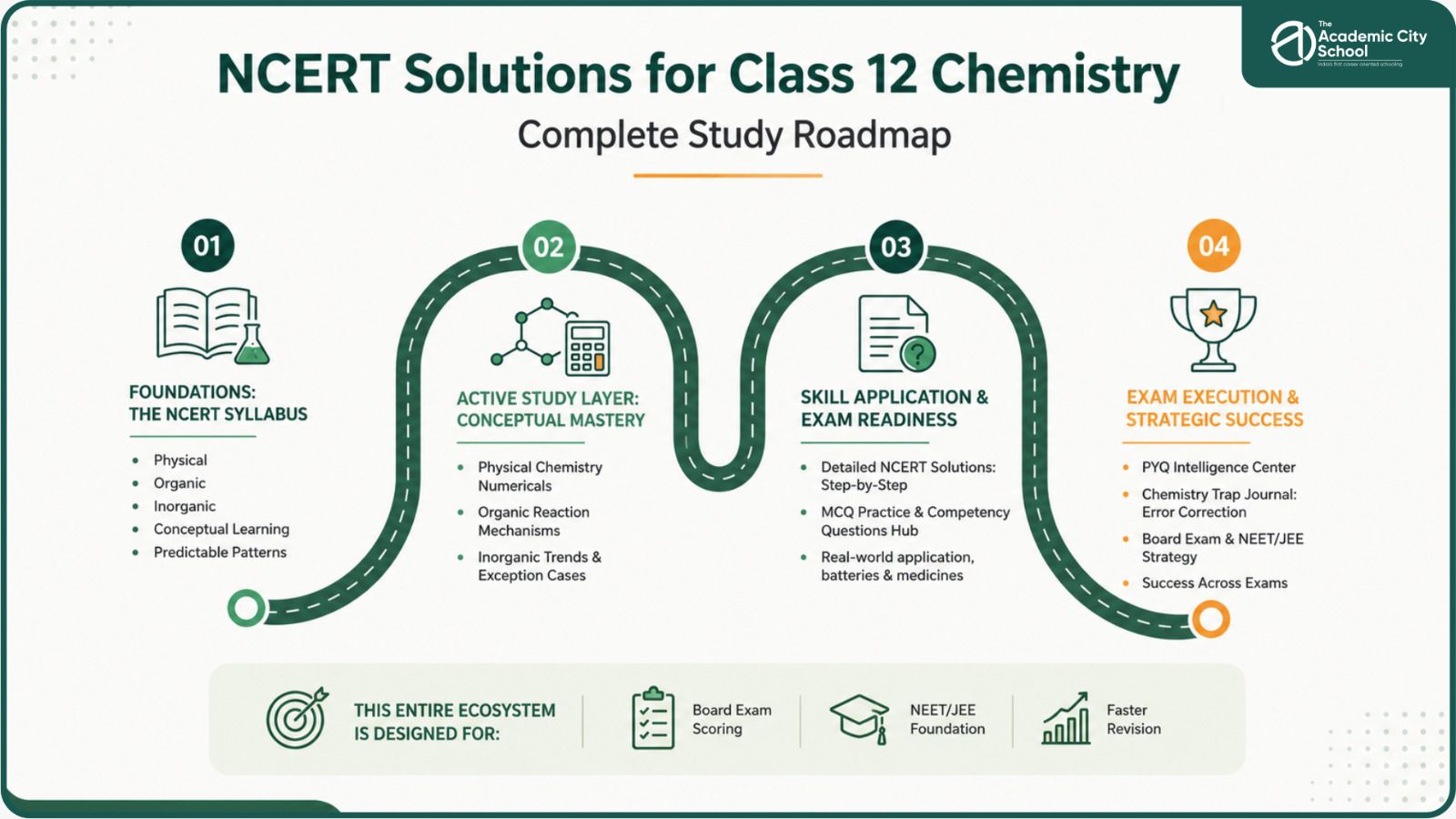 Figure 5: Error tracking and correction
Physical Chemistry Traps
- Unit conversion errors, such as forgetting to convert grams to moles or Celsius to Kelvin
- Wrong formula selection, such as applying the Nernst Equation when the question requires Faraday's Laws
- Sign errors in thermodynamic and electrochemical calculations
Organic Chemistry Traps
- Confusing SN1 and SN2 reaction conditions
- Using the wrong oxidising or reducing agent in a conversion
- Missing rearrangements or elimination side products while predicting products
Inorganic Chemistry Traps
- Confusing similar NCERT statements across different elements
- Misinterpreting periodic trends, particularly for anomalous elements
- Making coordination compound naming errors, especially with bridging ligands
Most Chemistry marks are lost because of technical inaccuracies rather than a lack of conceptual understanding. Accuracy in writing matters as much as knowing the concept.
Board Exam vs NEET and JEE Preparation Strategy
Students can prepare for board and competitive examinations together when the approach is planned properly.
Track A: Board Excellence
- Focus on NCERT questions and solved examples.
- Write stepwise answers using correct NCERT terminology.
- Draw mechanisms neatly with proper labelling.
- Use exact NCERT phrasing in Inorganic Chemistry answers.
Track B: Competitive Excellence
- Prioritise speed along with accuracy.
- Practise concept integration across chapters.
- Solve advanced MCQs beyond the direct NCERT scope.
- Learn elimination techniques for NEET.
| Exam | Chemistry Importance |
|---|---|
| NEET | Very High |
| JEE | Very High |
| CUET | High |
Formula, Reactions and Revision Framework
Revision resources can be organised into three focused streams.
Physical Chemistry Formula Bank
- Electrochemistry: Nernst Equation, Faraday's Laws, and Kohlrausch's Law
- Solutions: Raoult's Law, Van't Hoff Factor, and Osmotic Pressure
- Chemical Kinetics: Rate Laws, Arrhenius Equation, and Half-Life formulas
Organic Chemistry Reaction Atlas
- Named reactions with reagents and conditions
- Conversion charts linking functional-group transformations
- A reagent guide explaining what each reagent does and when to use it
Inorganic Memory Sheets
- Periodic trends with exceptions highlighted
- Colour charts for transition-metal compounds
- Exception cases in block Chemistry
Daily Revision Formula
- 45 minutes of learning new content
- 45 minutes of practice questions
- 30 minutes of active-recall revision
Smart 30-Day Chemistry Revision Blueprint
| Days | Focus Area |
|---|---|
| Days 1 to 8 | Physical Chemistry: all chapters, numericals, and formulas |
| Days 9 to 18 | Organic Chemistry: mechanisms, named reactions, and conversions |
| Days 19 to 25 | Inorganic Chemistry: NCERT line-by-line study, trends, and exceptions |
| Days 26 to 30 | Mock tests and PYQ solving with time tracking |
This plan works because it is sequenced. Physical Chemistry comes first because formulas require time to settle. Organic Chemistry follows while memory is fresh. Inorganic Chemistry is placed closer to the exam so that factual NCERT content remains recent.
Free Downloadable Chemistry Success Toolkit
Students studying Class 12 Chemistry can use the following resources:
- Chemistry Formula Handbook with all Physical Chemistry formulas
- Named Reaction Atlas with reagents, conditions, and products
- Organic Mechanism Maps with visual flowcharts
- NCERT Line-by-Line MCQs based directly on textbook content
- Chapter-wise PYQ Collection with solutions
- Competency Question Bank for the latest CBSE pattern
- Chemistry Mistake Journal covering common errors and corrections
- Board Exam Planner with a structured 30-day countdown
Frequently Asked Questions
Are NCERT Solutions enough for Class 12 Chemistry?
For the board examination, yes. NCERT covers nearly all the content tested. For NEET and JEE, students also need additional MCQ practice and advanced concept work beyond the textbook.
Which Chemistry chapter has the highest weightage?
Organic Chemistry carries a major share. Aldehydes, Ketones and Carboxylic Acids, along with Amines, appear frequently in board and NEET examinations.
How important are named reactions?
Named reactions are very important. They are asked directly in board examinations and appear as conversion problems in NEET. Students should know the reactants, reagents, conditions, and products for each reaction.
Is NCERT enough for NEET Chemistry?
NCERT is the foundation, and a large portion of NEET Chemistry questions are based on NCERT content. Additional MCQ practice and competitive-level problem-solving are required for a strong score.
How should I memorise Organic Chemistry reactions?
Do not memorise reactions in isolation. Learn the mechanism first. When the reason behind a reaction is understood, product prediction becomes easier. Flowcharts and visual mapping are particularly useful.
How often should I solve MCQs?
Practise MCQs daily from around four to six weeks before the examination. Start with concept-based MCQs, followed by numerical MCQs and assertion-reason questions. Include at least one complete chapter's MCQs each day during intensive revision.
Are competency-based questions important?
Yes. These questions cannot be answered through rote recall alone. Practise application-based questions from CBSE sample papers and competency question banks.
Can I download chapter-wise PDFs?
Yes. Chapter resources including formulas, mechanisms, MCQs, and PYQs can be made available as downloadable PDFs through The Academic City School's resource library.
Why Students Choose The Academic City School
The Academic City School is a CBSE-affiliated school with a strong focus on Science and competitive examination preparation.
What Makes The Academic City School Different
- A CBSE-aligned learning system built around the actual examination pattern
- Modern Chemistry laboratories for practical and experimental learning
- Smart classrooms with visual learning tools and interactive content
- Integrated board and NEET or JEE preparation
- Personalised academic mentorship for targeted gap-filling
- A Science-focused learning environment that supports serious study
What Students Gain
- Steady board test performance across Science subjects
- NEET and JEE readiness developed alongside board preparation
- Deeper conceptual understanding, not just grades
- Faster revision through structured study guides
- A clear and reusable study routine
Class 12 Chemistry is more than a subject. It is a gateway to NEET, JEE, and a career in Science. The Academic City School helps students approach that gateway with preparation, accuracy, and confidence.