



1. Why Class 12 Biology Is the Most Important Subject for NEET Aspirants
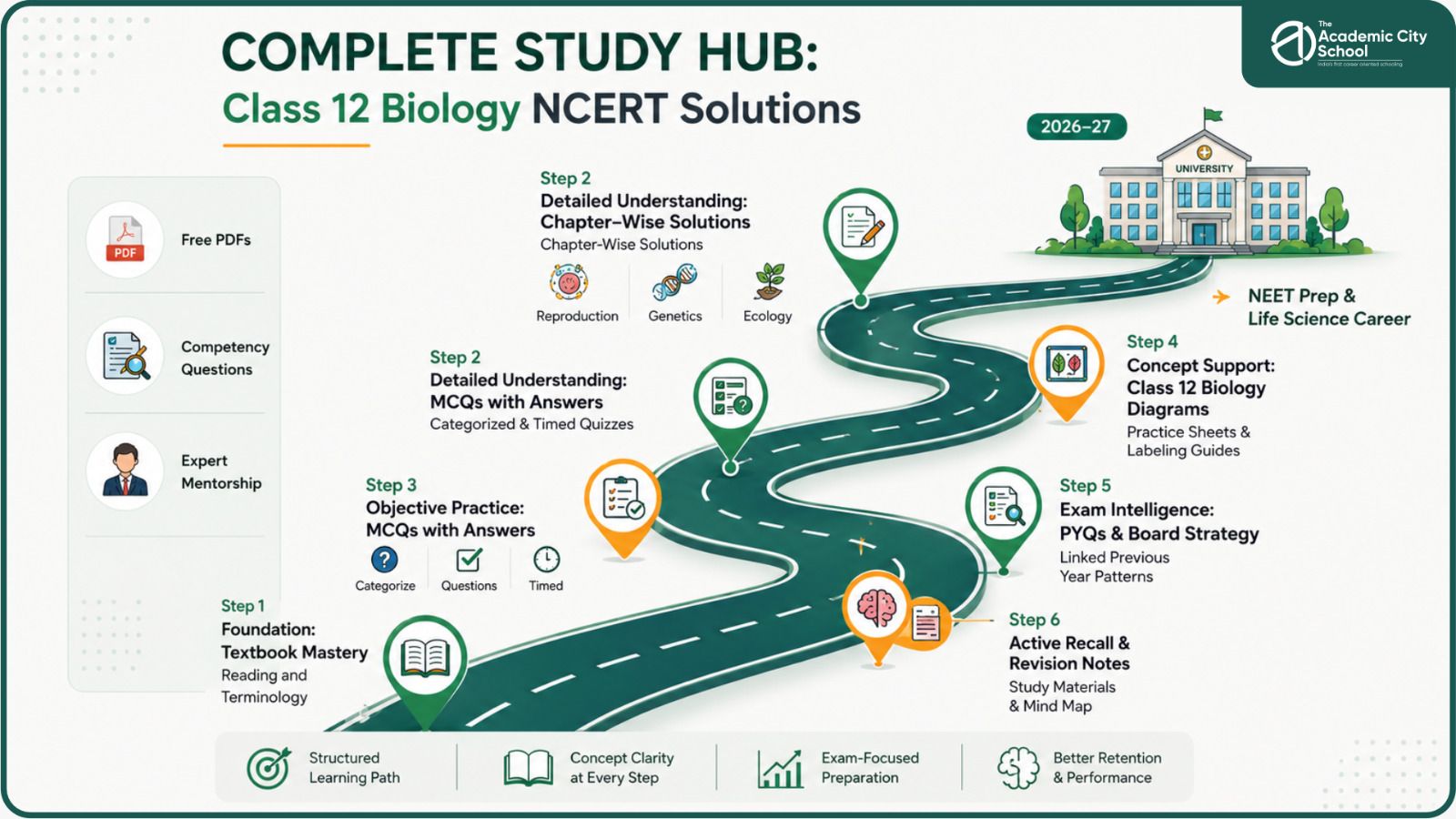
Figure 1: Complete Biology learning ecosystem
If you are preparing for NEET, Class 12 Biology is not just one subject among many. It is the subject. Around 90 out of 360 NEET marks come directly from Biology, split equally between Botany and Zoology, and a huge proportion of those questions are lifted almost word for word from the NCERT textbook. So, yes, getting your NCERT Solutions for Class 12 Biology right is not optional.
Board exams matter too, of course. Your Class 12 score feeds directly into CUET, DU cutoffs, and state medical college admissions. Biology here carries 70 theory marks plus 30 practical marks, making it a 100-mark paper that students genuinely cannot afford to take lightly.
Here is what Biology actually decides for you:
- Your NEET rank and, by extension, your college seat
- Your Class 12 board percentage
- CUET Life Sciences eligibility
- Admission to biotechnology, microbiology, and pharmacy programmes
- The foundation for a career in medicine, research, or environmental science
What Makes Biology Success Possible
Three things. That’s it. Master these three and everything else follows.
- Concept Mastery: understanding how biological processes actually work, not just memorising them
- NCERT Retention: being able to recall exact NCERT lines, definitions, and terminology during exams
- Diagram Excellence: producing neat, fully labelled diagrams that match CBSE marking expectations
We have seen students who read five reference books and still score poorly because they skipped NCERT thoroughly. We have also seen students who read only NCERT, practised diagrams daily, and cracked NEET. The evidence is clear.
2. CBSE Class 12 Biology Exam Blueprint and Marks Distribution
Before you study, understand what you are being tested on. The CBSE Class 12 Biology paper has a very specific structure, and knowing it changes how you allocate time.
| Component | Marks |
|---|---|
| Theory Paper | 70 |
| Practical Examination | 30 |
| Total | 100 |
The 70-mark theory paper is what most students focus on, and rightly so. But do not underestimate the 30-mark practical. Many students lose easy marks there simply through poor preparation of lab records.
Unit-Wise Weightage at a Glance
| Unit | Relative Weightage |
|---|---|
| Reproduction | Very High |
| Genetics and Evolution | Very High |
| Biology and Human Welfare | High |
| Biotechnology and Its Applications | High |
| Ecology and Environment | High |
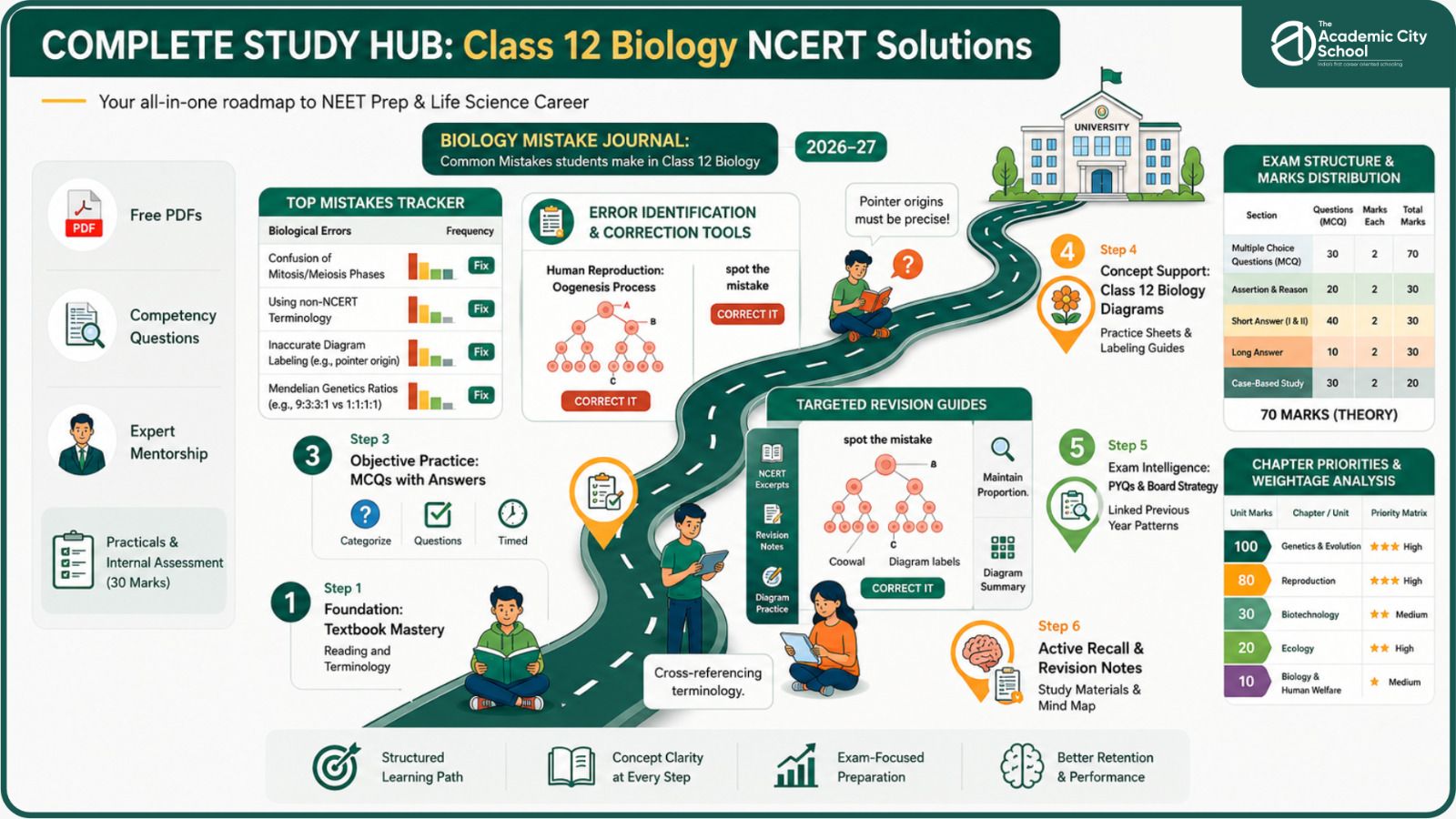 Figure 2: Exam structure and chapter priorities
New patterns under CBSE's revamped assessment include:
- Competency-Based Questions that test application, not rote recall
- Case Studies with short passages followed by analytical questions
- Data Interpretation sets using graphs, charts, or experimental tables
- Experimental Analysis questions asking students to design or interpret lab work
These are worth preparing for separately. They are not hard, but they do require a different kind of thinking compared to standard definition or explanation questions.
3. TAC's 4-Tier Biology Learning Framework
Most platforms give you a textbook answer and call it a solution. We do not do that. At The Academic City School, our approach to NCERT Solutions for Class 12 Biology runs through four distinct layers, each building on the last.
Tier 1: NCERT Solution Layer
Step-by-step answers to every NCERT back-exercise problem, written just how CBSE wants. Spot-on wording. Right length. Mark-scheme alignment. No filler.
Tier 2: Visual Biology Layer
Every chapter comes with visual support because Biology is a subject that makes far more sense when you can see it.
- Fully labelled diagrams matching NCERT figures
- Process flowcharts for multi-step cycles like DNA replication and the nitrogen cycle
- Concept maps that show how ideas within a chapter connect
- Biological process visualisations for things like transcription, translation, and ecological succession
Tier 3: NEET Extension Layer
Board preparation and NEET preparation are not the same thing. Our Tier 3 material bridges the gap.
- NEET-level MCQs drawn from recurring exam patterns
- High-yield NCERT lines flagged for active learning
- Concept integration questions that combine topics across chapters
Tier 4: AI Recall Layer
Quick-revision boxes at the end of each topic, designed for active recall during the last 30 days before exams. Short, sharp, scannable. Built for speed without losing accuracy.
4. Complete Biology Resource Hub Directory
Every chapter page in our resource hub includes the following. Not some of these. All of them.
- NCERT Exercise Solutions, fully solved
- Solved Examples from NCERT
- Important Definitions with source references
- Diagram Practice sheets
- Flowcharts for every major process
- MCQs with answer keys
- Assertion-Reason Questions
- Competency-Based Questions with model answers
- Previous Year Questions organised by chapter
- Common Mistakes Journal
- NEET Foundation Questions
- Revision Notes in summary format
- Downloadable PDFs for offline study
5. Chapter-Wise NCERT Solutions Matrix
Here is a structured overview of all Class 12 Biology chapters, grouped by unit, with their core concepts and the resources available on each page.
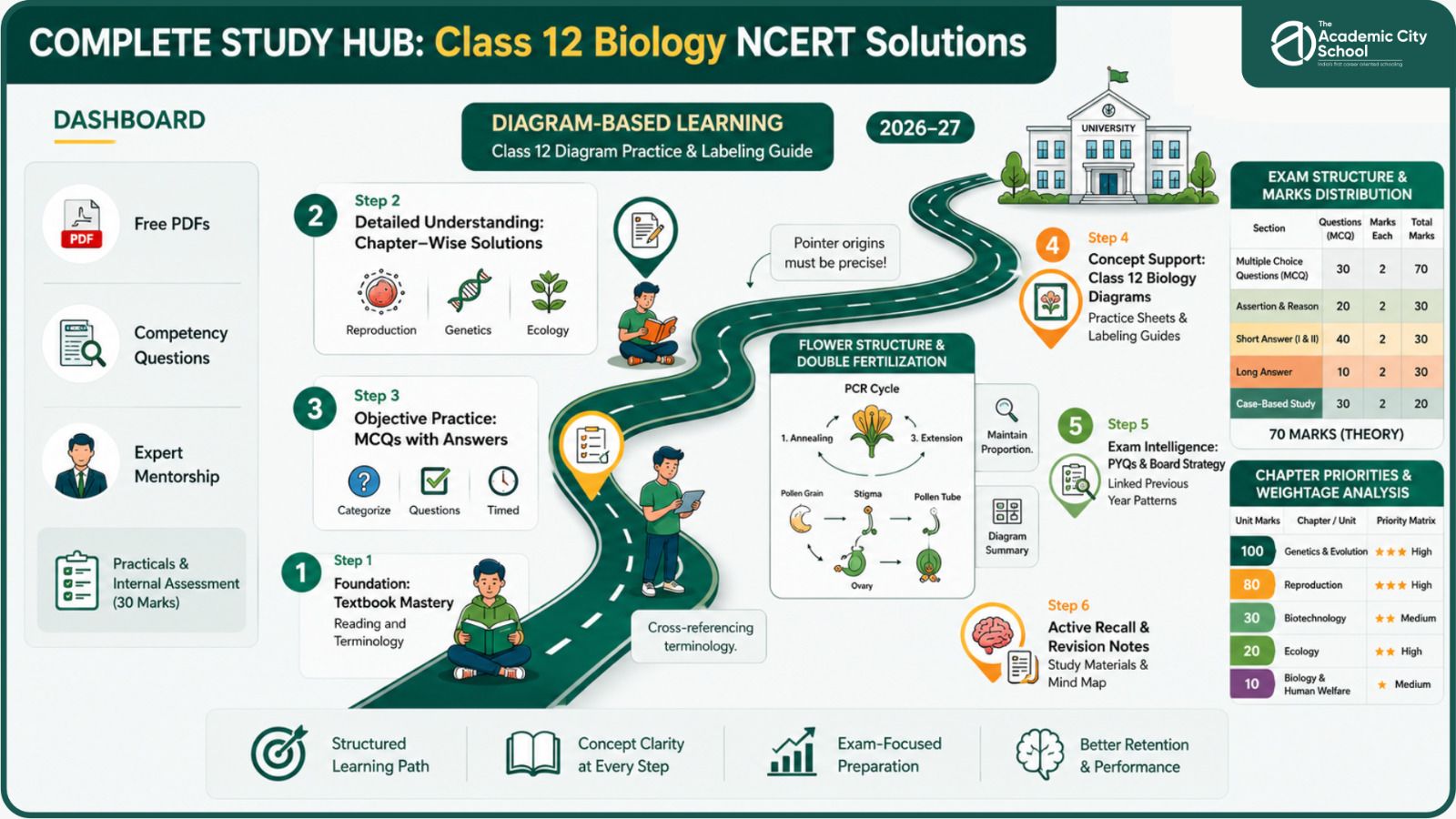 Figure 3: Interactive chapter navigation
Reproduction
| Chapter | Key Concepts | Resources Available |
|---|---|---|
| Sexual Reproduction in Flowering Plants | Pollination, Fertilisation, Embryo Development | Solutions + Diagrams + MCQs |
| Human Reproduction | Male and Female Reproductive Systems, Gametogenesis | Solutions + Diagrams + MCQs |
| Reproductive Health | ART, IVF, Contraception, STDs | Solutions + MCQs + PYQs |
Genetics and Evolution
| Chapter | Key Concepts | Resources Available |
|---|---|---|
| Principles of Inheritance and Variation | Mendelian Genetics, Sex Determination, Pedigree Analysis | Solutions + MCQs + PYQs |
| Molecular Basis of Inheritance | DNA Replication, Transcription, Translation, Human Genome Project | Solutions + Diagrams + MCQs |
| Evolution | Darwin, Hardy-Weinberg Principle, Speciation | Solutions + MCQs |
Biology and Human Welfare
| Chapter | Key Concepts | Resources Available |
|---|---|---|
| Human Health and Disease | Immunity, Vaccines, Pathogens, Cancer | Solutions + MCQs + PYQs |
| Microbes in Human Welfare | Industrial Applications, Sewage Treatment, Biocontrol | Solutions + MCQs |
Biotechnology
| Chapter | Key Concepts | Resources Available |
|---|---|---|
| Biotechnology: Principles and Processes | Recombinant DNA Technology, PCR, Gel Electrophoresis | Solutions + Diagrams + MCQs |
| Biotechnology and Its Applications | GM Crops, Gene Therapy, Insulin Production | Solutions + MCQs + PYQs |
Ecology and Environment
| Chapter | Key Concepts | Resources Available |
|---|---|---|
| Organisms and Populations | Population Interactions, Growth Models, Adaptations | Solutions + MCQs |
| Ecosystem | Energy Flow, Food Chains, Biogeochemical Cycles | Solutions + Diagrams + MCQs |
| Biodiversity and Conservation | Hotspots, Threats, Conservation Methods | Solutions + MCQs + PYQs |
| Environmental Issues | Pollution, Ozone Depletion, Climate Change | Solutions + MCQs |
6. Biology Mastery Manual: NCERT, Diagrams and Terminology
Here is something most students figure out only after their first mock test: Biology is won or lost on precision. Not just understanding, but accurate recall of the exact way NCERT phrases things.
NCERT Strategy
Read NCERT as if every sentence is a potential exam question. Because it often is.
- Highlight every definition the first time you read
- Write out key terminology in your own words, then cross-check with NCERT
- Pay special attention to named examples, Latin names, and numerical values, such as chromosome numbers
- Do not paraphrase NCERT in board answers; use their vocabulary
Diagram Strategy
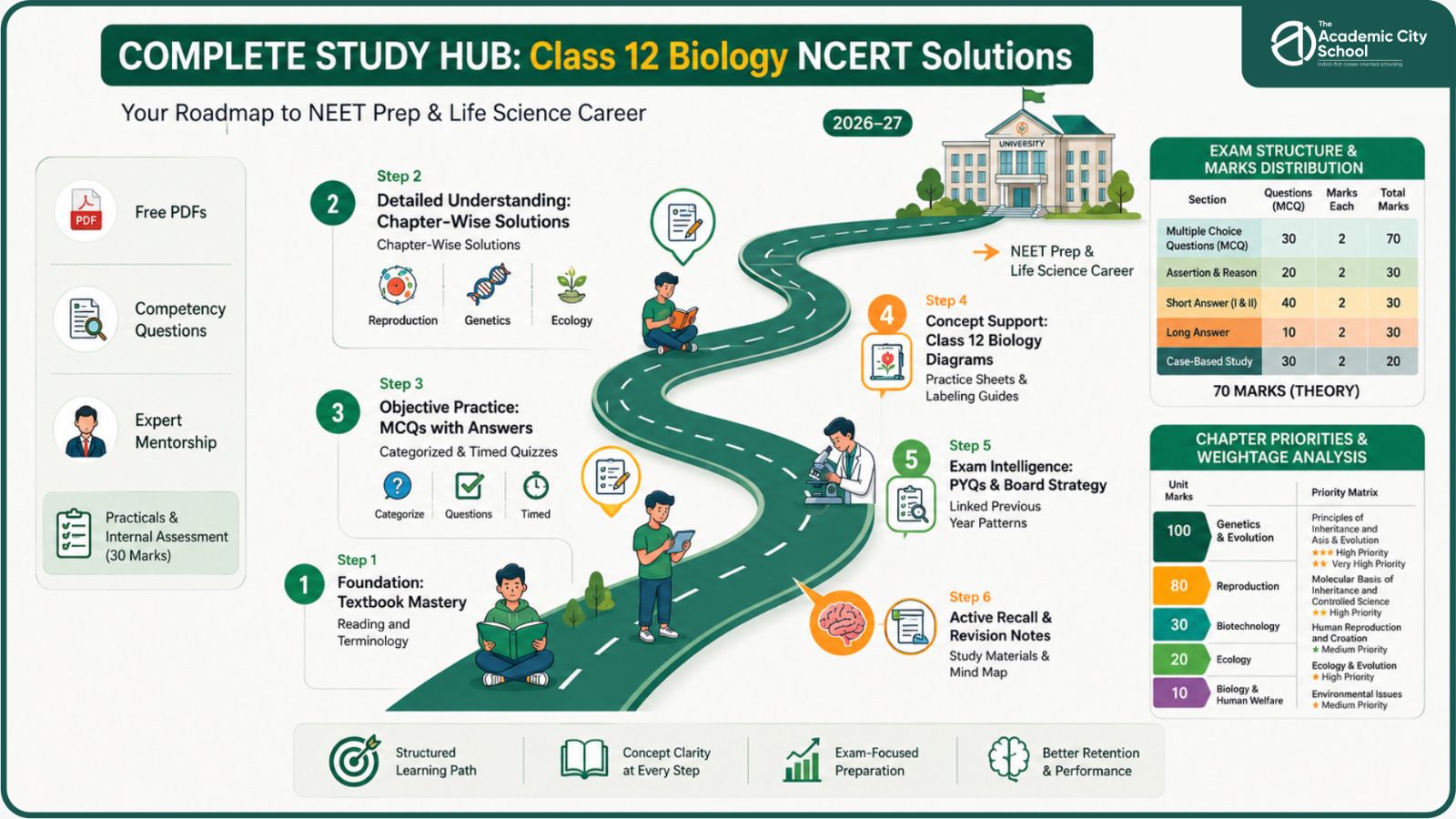 Figure 4: Diagram-based learning
In 3 and 5-mark questions, up to 50% of the marks are often reserved strictly for the diagram and correct labelling. A common mistake is drawing vaguely and assuming the examiner will understand. They will not.
- Label accuracy is non-negotiable; one wrong label can cost marks
- Practise diagrams at least three times each, not once
- Use rulers for straight lines where relevant
- Maintain proportion so structures look like what they represent
- Write labels neatly on the side with connecting lines, not inside the diagram
Concept Strategy
Biology is not isolated facts. It is connected processes. Understanding the cause-and-effect chain inside a topic is what lets you answer application questions.
- For every concept, ask: what triggers this? What does it lead to?
- Learn biological processes as sequences, not just definitions
- Trace flow through cycles: nitrogen cycle, water cycle, carbon cycle
Our Biology Success Pyramid sums up the approach: NCERT first, then Diagrams, then Concepts, then Application, and finally Exam Execution.
7. High-Weightage Chapters and Exam Intelligence Dashboard
Not all chapters carry equal weight. We track NEET and board question papers year on year, and the patterns are consistent. Some chapters keep coming back, again and again.
| Chapter | Board Frequency | NEET Relevance |
|---|---|---|
| Genetics (Principles of Inheritance) | Very High | Very High |
| Molecular Basis of Inheritance | Very High | Very High |
| Human Reproduction | High | High |
| Biotechnology: Principles and Processes | High | Very High |
| Ecosystem | High | High |
| Biodiversity and Conservation | High | High |
| Human Health and Disease | High | High |
A significant portion of Biology board and NEET questions originate directly from recurring NCERT concepts and diagrams. This is not a guess. It is what multi-year PYQ analysis tells us. Students who focus heavily on these chapters first, get their diagram practice right, and then expand into lower-weightage areas consistently outperform those who try to cover everything equally.
8. Diagram and Concept Mastery Zone
We cannot overstate how important diagrams are. In Biology board exams, a correct, neatly labelled diagram can substitute for a weak written explanation and still get you full marks. So we treat diagram mastery as a core skill, not an afterthought.
Must-Master Biology Diagrams for Class 12
- Human Male and Female Reproductive System
- Structure of a Flower (TS and LS)
- DNA Double Helix with labels for bases, sugar, and phosphate
- Lac Operon (induced and repressed states)
- PCR Process (denaturation, annealing, extension cycles)
- Ecological Pyramids (numbers, biomass, energy)
- Biogas Plant Diagram
- T-lymphocyte and B-lymphocyte activation pathways
TAC Visual Mapping Method
Every concept in our resource hub is paired with a visual element. Not because it looks nice, but because recall is significantly higher when information has a visual anchor.
- Flowcharts: for multi-step processes like transcription and translation
- Mind Maps: for chapters with many sub-topics, like Human Health and Disease
- Diagram Summaries: one-page visual overviews of full chapters
- Memory Triggers: short mnemonics linked to key sequences
Diagram Writing Framework
Follow this five-step process for every diagram in your exam:
- Draw neatly, even under time pressure. A rushed diagram is often penalised.
- Label correctly using NCERT-standard terminology
- Use NCERT terminology throughout, not your own improvised terms
- Maintain proportion so structures are identifiable
- Highlight key structures when the question asks for it
9. MCQ Practice and Competency-Based Questions Hub
The CBSE exam has shifted. Straightforward recall questions still exist, but a growing portion of marks comes from questions that test whether you can apply what you know. That is the competency-based model, and it rewards students who actually understand Biology rather than those who just memorised it.
Question Types Covered in Our MCQ Hub
- Concept-Based MCQs: single-concept questions with four options
- Assertion-Reason Questions: two statements where you evaluate both truth and causation
- Case Study Questions: a short passage followed by four to five questions
- Source-Based Questions: data from graphs, tables, or experimental observations
- Experimental Questions: interpret or design a biology experiment
- Data Interpretation: numerical or graphical data analysis within a biological context
Real-Life Application Topics
Biology questions increasingly draw from real-world contexts. Prepare for questions based around:
- Healthcare and vaccination programmes
- Genetic engineering in agriculture and medicine
- Environmental conservation and biodiversity loss
- Biotechnology in food production and pharmaceuticals
- Public health crises and epidemiology
10. Previous Year Question (PYQ) Intelligence Centre
PYQs are the most honest signal you have about what CBSE and NEET actually value. Not what textbooks say, not what coaching institutes guess, but what has actually appeared in exams. We analyse them so you do not have to start from scratch.
| Chapter | PYQ Trend |
|---|---|
| Genetics | Very High |
| Molecular Basis of Inheritance | Very High |
| Biotechnology | High |
| Ecosystem | High |
| Human Health and Disease | High |
| Reproductive Health | Moderate to High |
| Biodiversity and Conservation | Moderate to High |
Most NEET and board questions emerge from repeated conceptual themes rather than entirely new topics. What this means practically is that solving PYQs for five years is more useful than reading any third reference book. Patterns repeat. Diagrams repeat. Specific NCERT statements repeat. Recognise them, and you have a significant edge.
We recommend working through at least three years of PYQs per chapter before your board exam, and five years before NEET.
11. Biology Trap Journal: Common Mistakes That Cost Marks
We compile a running log of errors we see students make repeatedly. These are not unusual mistakes. They are the same ones, year after year, and they cost real marks.
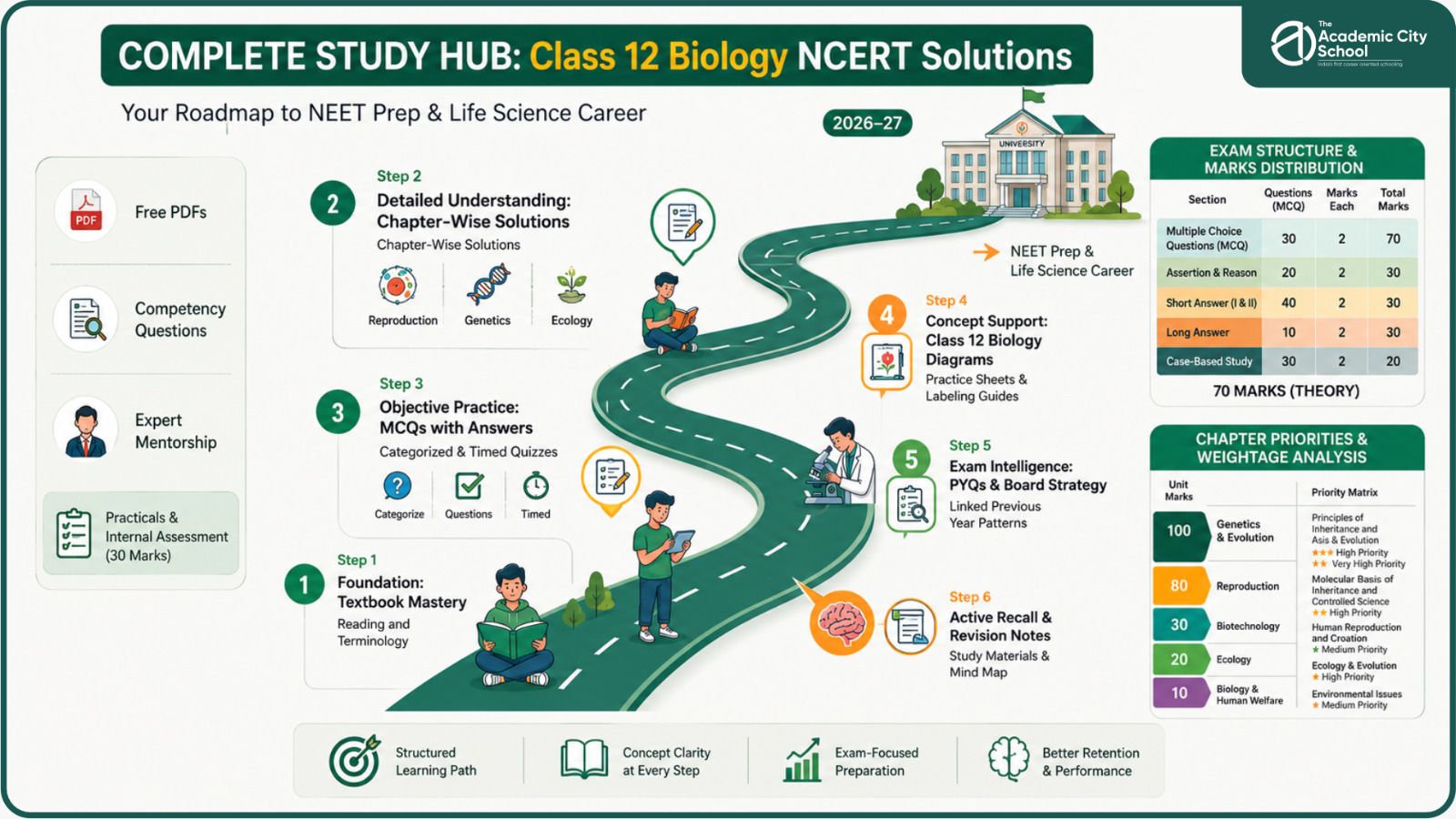 Figure 5: Error identification and correction
The NCERT Terminology Trap
Students substitute their own words for NCERT wording. For example, writing “genetic blueprint” instead of “DNA” or “breathing organ” instead of “lung” in technical contexts. CBSE examiners follow marking schemes tied to specific vocabulary. Straying means lost marks.
Fix: Read NCERT answers aloud. Use the exact words in your revision.
The Diagram Trap
Incorrect or missing labels. Structures drawn out of proportion. Arrows going the wrong direction in process diagrams. These are easy marks lost for purely presentational reasons.
Fix: Practise diagrams on blank paper without looking. Check against NCERT after.
The Genetics Trap
Wrong genotype ratios in Mendelian crosses. Forgetting to show the working in a Punnett square. Misidentifying dominant and recessive traits in pedigree charts.
Fix: Always map out the whole cross, including sperm and egg, even if you think it is obvious.
The Biotechnology Trap
Incorrect sequencing of recombinant DNA technology steps. Mixing up restriction enzymes, ligases, and vectors. Swapping the roles of Bt toxin and the Cry gene.
Fix: Draw the rDNA technology process as a flowchart. Sequence it correctly five times.
The Ecology Trap
Misunderstanding energy flow direction in food chains and pyramids. Confusing pyramid of numbers with pyramid of biomass. Giving incorrect examples for parasitism versus predation.
Fix: Draw all three ecological pyramids side by side and annotate the differences.
Faculty observation from years of teaching: most Biology marks are lost not through lack of knowledge, but through terminology errors and incomplete understanding of sequences and processes.
12. Board Exam vs NEET Preparation Strategy
These are two different preparation tracks, and trying to treat them identically leads to doing both poorly. Understand the difference, then plan accordingly.
| Track | Focus Areas | Primary Resource |
|---|---|---|
| Track A: Board Excellence | NCERT Answers, Diagrams, Correct Terminology, Structured Presentation | NCERT Textbook + TAC Solutions |
| Track B: Competitive Excellence | MCQs, Active Recall, Multi-Chapter Concept Integration, Time Management | MCQ Banks + PYQs + NEET Papers |
The good news is that these tracks overlap significantly. Strong NCERT knowledge benefits both. Diagrams matter in both. Genetics is high-weightage in both. What differs is the depth of application and the style of questioning.
| Competitive Exam | Biology Importance |
|---|---|
| NEET | Very High (90 out of 360 marks) |
| CUET Life Sciences | High |
| State PMTs | Very High |
13. Revision Framework and Memory Retention System
Studying once is not enough. Biology requires repeated exposure to stick. Our revision framework is built around that reality.
Biology Revision Toolkit
- NCERT Highlight Notes: colour-coded annotations for definitions, examples, and key lines
- Diagram Ledger: a dedicated notebook with one diagram per page, practised repeatedly
- Flashcards: for definitions, terminology, and named reactions or discoveries
- Flowcharts: process sequences for complex multi-step topics
- One-Page Summaries: chapter overviews that can be reviewed in under ten minutes
Daily Revision Formula
This is the schedule we recommend for students in their revision phase:
- 45 minutes: new learning or concept reading
- 45 minutes: MCQ practice on topics studied this week
- 30 minutes: revision of previous material using flashcards or summary sheets
TAC Memory Retention Method
We call it the Four Rs: Read, Recall, Revise, Repeat.
Read the topic. Close the book and Recall as much as you can. Revise what you missed. Repeat after two days. This is active learning, not passive rereading. It works.
14. Smart 30-Day Biology Revision Blueprint
Use this plan in the final month before your board exam. It is designed to cover all units with time for mock tests and PYQ revision.
| Days | Focus Area |
|---|---|
| Days 1 to 8 | Reproduction (all three chapters: Sexual Reproduction, Human Reproduction, Reproductive Health) |
| Days 9 to 16 | Genetics and Evolution (Mendelian Genetics, Molecular Biology, Hardy-Weinberg Principle) |
| Days 17 to 22 | Biology and Human Welfare (Human Health, Microbes in Human Welfare) |
| Days 23 to 26 | Biotechnology (rDNA Technology, Applications and GM Organisms) |
| Days 27 to 30 | Ecology and Environment + PYQ Revision + Full Mock Tests |
Each unit block includes:
- Daily NCERT reading
- Diagram practice for the key diagrams in that unit
- 10 to 15 MCQs per day
- One PYQ set every two to three days
15. Free Downloadable Biology Success Toolkit
Every resource here is available free to students accessing our NCERT Solutions hub. No paywalls. No email walls. Just study material.
- Biology Diagram Book: all must-learn diagrams in one printable document
- NCERT Highlight Notes: chapter-by-chapter condensed notes
- NEET Biology MCQ Bank: 500-plus MCQs with full explanations
- PYQ Collection: five years of NEET and CBSE board questions by chapter
- Competency Question Bank designed to match the latest CBSE patterns
- Biology Mistake Journal: printable tracker for common errors
- Revision Planner: 30-day and 60-day templates
- Memory Retention Toolkit: flashcard templates and formula sheets
16. Frequently Asked Questions
Are NCERT solutions enough for Class 12 Biology board exams?
For the board exam, yes. CBSE questions are almost entirely based on NCERT content. Thorough NCERT study, combined with good diagram practice, is sufficient for strong board marks.
Is NCERT enough for NEET Biology?
NCERT is the foundation. Nearly 80 to 90 per cent of NEET Biology questions are directly or closely based on NCERT. However, NEET needs active thinking and question practice, over just reading NCERT casually.
Which Biology chapters have the highest weightage?
The chapters on Genetics, Molecular Basis of Inheritance, Sexual Reproduction in Flowering Plants, and both Biotechnology chapters carry the highest marks across board exams and competitive medical tests.
How important are diagrams in Biology board exams?
Very important. Diagram-based questions appear in almost every unit. A well-drawn, correctly labelled diagram can secure full marks even if the written answer is brief.
How should I memorise Biology effectively?
Active recall beats passive reading. Use flashcards, draw diagrams from memory, and practise PYQs regularly. Our Four-R method, Read, Recall, Revise, Repeat, is specifically designed for this.
How often should I solve MCQs?
Daily, during your revision phase. Even 10 to 15 MCQs per day over 30 days adds up to 300 to 450 questions solved, which is a substantial bank. Focus on high-weightage chapters.
Are competency-based questions important for CBSE board 2026-27?
Yes. CBSE has packed in more real-world, skill-testing questions over the last few years. These look like case studies, reading charts, and practical problems. They require understanding of concepts, not just memorisation.
Can I download chapter-wise Biology PDFs?
Yes, you can download the full set of chapter-wise answers, notes, and question banks in a clean, printable PDF format from our free resource hub.
17. Why Students Choose The Academic City School
There are dozens of websites offering NCERT solutions. What makes The Academic City School different is that our resources are built by teachers who understand both the board exam system and what NEET actually demands.
What Makes TAC Different
- CBSE-Aligned Learning System designed with current syllabus and marking scheme changes in mind
- Modern Biology Laboratories for hands-on practical preparation
- Smart Classrooms that integrate visual and digital learning tools
- Integrated Board and NEET Preparation so students do not have to choose between the two
- Personalised Academic Mentorship with dedicated faculty support
- Science-Focused Learning Environment that nurtures analytical thinking
What Students Actually Get
- Strong Board Exam Scores backed by structured NCERT preparation
- NEET Readiness through MCQ banks, PYQs, and concept integration practice
- Better Conceptual Understanding from visual learning and active recall methods
- Faster Revision thanks to our condensed summary tools and 30-day blueprint
- A Structured Study Framework that works whether you are a consistent student or starting your revision late
Biology does not have to be overwhelming. The syllabus is large, but it is finite. The NCERT textbook is a single source, and once you know it well, diagrams come with practice, and MCQs become manageable. We are here to make that process as efficient and effective as possible.
Start with the chapter that matters most to your exam date. Work through our NCERT Solutions, practise the diagrams, solve the MCQs, and track your mistakes. That is the whole method. It works.