



Social Science gets a bad reputation in most Class 10 classrooms, doesn't it? Students often see it as a subject full of dates, definitions and maps that need memorising overnight. We at The Academic City School disagree, and honestly, we've seen enough students turn this exact subject into their highest scoring paper once they get the right approach. This article walks you through NCERT Solutions for Class 10 Social Science, covering History, Geography, Civics and Economics, along with MCQs, PYQs, map work and a full revision system built for the 2026-27 CBSE cycle. What makes this page different from a random collection of chapter notes is the order. We haven't just dumped answers on you. Every chapter follows the same four subjects, the same resource checklist, and the same revision logic, so once you know how to use one chapter, every other chapter becomes familiar territory. Whether you're starting your Class 10 year fresh or scrambling three months before boards, there's a starting point here for you.
Why NCERT Solutions for Class 10 Social Science Matter
Social Science isn't just about cramming the freedom struggle timeline or labelling rivers on a map. It influences a student's perception of the world, inspires inquiry, and cultivates fact-based ideas. That's a life skill, not just a board exam requirement.
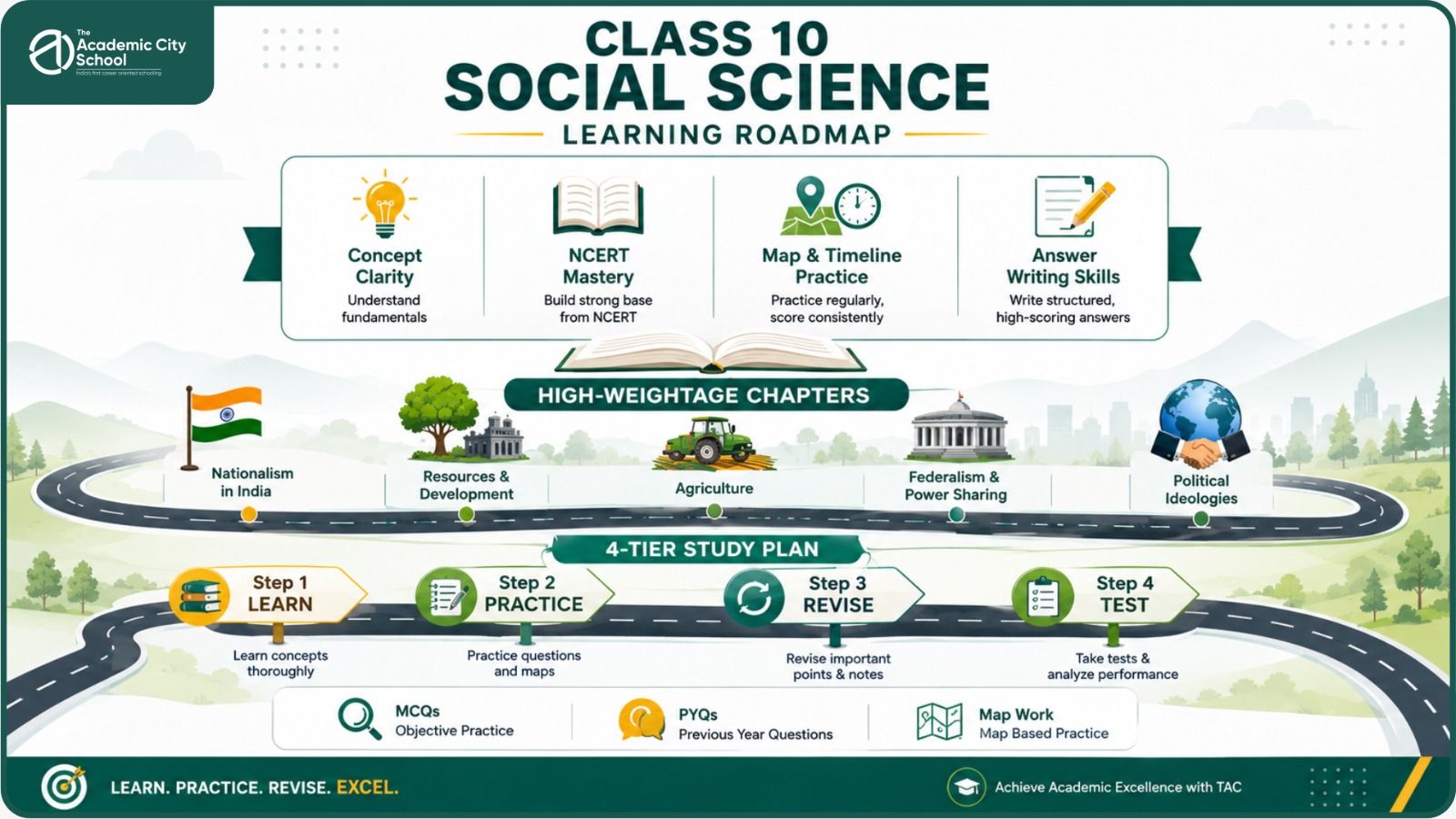 Figure 1: Complete Social Science learning ecosystem
Here's what strong preparation in this subject actually gives a student, beyond marks on a report card:
- Higher, more consistent scores in the CBSE Board Exam
- Sharper analytical thinking, the kind that helps in every subject, not just SST
- A working understanding of historical events and how democracy actually functions
- Real map-reading skill and comfort interpreting data, tables and graphs
- General awareness of economics, current affairs and how policy affects daily life
- A head start for competitive exams that lean on general knowledge
Quick Answer: What are NCERT Solutions for Class 10 Social Science?
- <br>• Chapter-wise explanations and textbook answers based on the latest CBSE syllabus<br>• Cover History, Geography, Civics and Economics in one structured place<br>• Built around maps, timelines, MCQs and competency-based practice<br>• Designed to help students prepare for board exams without last-minute panic
The Four Pillars We Build Every Chapter Around
Every single chapter resource on this page rests on four pillars. Miss one, and preparation gets shaky. We keep it simple on purpose.
- Concept Clarity, so the 'why' behind an event or law actually makes sense
- NCERT Mastery, because board papers still lean heavily on textbook language
- Map & Timeline Practice, the part most students skip and later regret
- Answer Writing Skills, which is where marks are genuinely won or lost
Think of these four pillars like legs on a table. Take one away, and the whole thing wobbles under pressure, usually right in the exam hall when it matters most. We've watched students with excellent memory lose marks purely because their answer writing was weak, and equally, students who understood concepts deeply but never practised maps enough to label them under time pressure. Balance matters more than brilliance in just one area.
CBSE Class 10 Social Science Exam Pattern & Marks Distribution
Before diving into chapters, it helps to know exactly what you're preparing for. The assessment structure hasn't changed dramatically, but knowing the split keeps your effort focused instead of scattered.
| Component | Marks |
|---|---|
| Theory Paper | 80 |
| Internal Assessment | 20 |
| Total | 100 |
Now, within that theory paper, four subjects share the load almost equally. A student who ignores one subject to focus on another usually regrets it around March.
| Subject | Focus Area |
|---|---|
| History | Historical Events & National Movement |
| Geography | Resources, Industries & Map Work |
| Political Science (Civics) | Democracy & Governance |
| Economics | Development & Indian Economy |
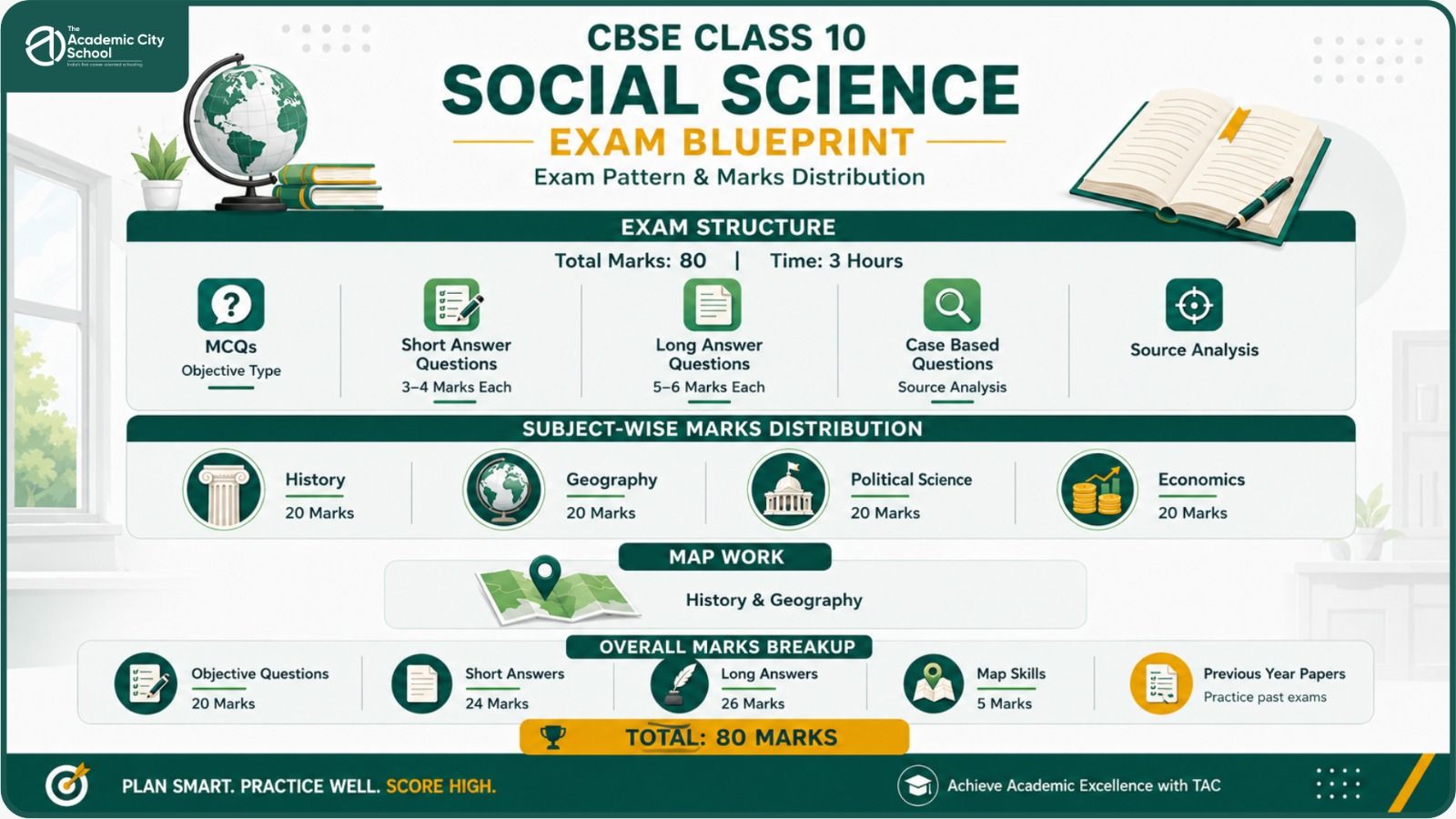 Figure 2: Board exam structure and subject distribution
 What CBSE Is Emphasising Right Now
If you've looked at recent sample papers, you'll notice the shift. It's not just recall anymore, and that's honestly a good thing for students who actually understand the subject rather than just memorising it.
- Competency-Based Questions that test application, not just memory
- Case studies pulled from real situations
- Source-based questions using excerpts, cartoons or data
- Map-based questions across History and Geography
- Data interpretation, reading graphs and tables under pressure
- Analytical answer writing, where structure matters as much as content
This shift matters for how you prepare, not just what you prepare. Reading a chapter twice used to be enough a decade ago. It isn't anymore. Students now need to sit with a concept long enough to apply it to a scenario they've never seen printed in the textbook. That's exactly why our resources go beyond plain solutions and lean heavily into practice questions styled after these newer formats.
TAC's 4-Tier Social Science Learning Framework
We didn't want to just hand students a pile of answers and call it a day. So we built a framework, four tiers, each one solving a different problem students run into while preparing SST. Think of it as a staircase rather than four separate boxes. You don't jump straight to PYQs without concept clarity first, and you don't stop at concept clarity without testing yourself through MCQs later. Each tier feeds into the next, and skipping one usually shows up as a weak spot somewhere down the line, often right when it's least convenient.
Tier 1: NCERT Solution Layer
- Chapter-wise solutions written in plain, exam-friendly language
- Simple explanations without unnecessary jargon
- Answers structured the way board examiners actually expect them
Tier 2: Visual Learning Layer
- Timelines that make History dates stick
- Maps for Geography that go beyond rote labelling
- Flowcharts, infographics and concept maps for tricky Civics and Economics ideas
Tier 3: Exam Excellence Layer
- MCQs sorted by chapter and difficulty
- Important questions flagged by board frequency
- Assertion-Reason and competency-based question sets
- A growing bank of previous year questions, or PYQs
Tier 4: AI Recall Layer
- Quick revision notes for the night before an exam
- Timeline summaries condensed to a single glance
- One-page revision sheets per chapter
- Active recall boxes that force you to test yourself, not just re-read
Complete Social Science Resource Hub Directory
Every chapter across all four subjects on this page follows the same checklist. That consistency matters, because once a student learns how one chapter is structured, every other chapter becomes easier to navigate too. We built this checklist after noticing how scattered most study material tends to be, a solution here, a random MCQ set there, dates half remembered from a friend's notes. Having every piece in one predictable place saves time, and honestly, saved time before boards is worth more than most students realise until they're actually short on it.
- NCERT exercise solutions, question by question
- In-text question answers, the ones tucked inside the chapter
- A chapter summary you can revise in under ten minutes
- Important dates listed clearly, no digging required
- Key definitions in exam-ready wording
- Maps and timelines specific to that chapter
- Flowcharts for cause-and-effect topics
- Chapter-wise MCQs
- Assertion-Reason questions
- Competency-based questions
- Source-based questions
- PYQs from recent board papers
- Concise revision notes
- Downloadable PDFs for offline study
Interactive Chapter-Wise NCERT Solutions Matrix
Here's the full map of what's covered, subject by subject. Bookmark this section. You'll come back to it more than once during the year, probably right before every unit test. A quick way to use this matrix well, scan the resources column before starting a chapter, and decide in advance whether you're going in for a first read, a revision pass, or pure MCQ drilling. Walking in with that intention saves a surprising amount of wasted study time.
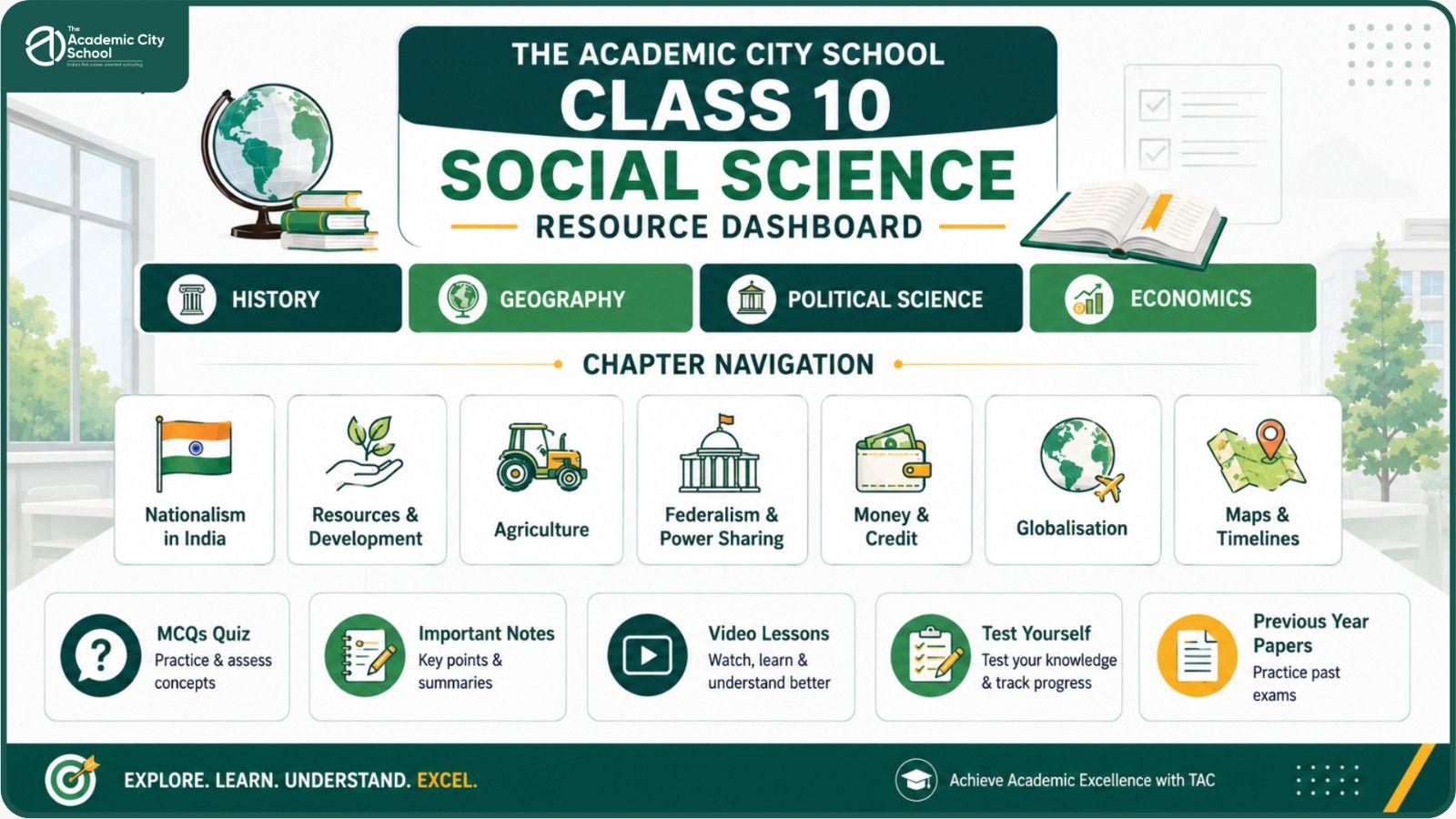 Figure 3: Interactive chapter navigation
History: India and the Contemporary World II
| Chapter | Key Topics | Resources Available |
|---|---|---|
| The Rise of Nationalism in Europe | French Revolution, Nation-State | Solutions + MCQs |
| Nationalism in India | Freedom Movement | Solutions + PYQs |
| The Making of a Global World | Trade & Globalisation | Solutions + Important Questions |
| The Age of Industrialisation | Industrial Revolution | Solutions + MCQs |
| Print Culture and the Modern World | Printing Revolution | Solutions + Revision Notes |
Geography: Contemporary India II
| Chapter | Key Topics | Resources Available |
|---|---|---|
| Resources and Development | Sustainable Development | Solutions + MCQs |
| Forest and Wildlife Resources | Conservation | Solutions + PYQs |
| Water Resources | Water Management | Solutions + Important Questions |
| Agriculture | Cropping Patterns | Solutions + MCQs |
| Minerals and Energy Resources | Resource Distribution | Solutions + Revision Notes |
| Manufacturing Industries | Industrial Development | Solutions + Competency Questions |
| Lifelines of National Economy | Transport & Communication | Solutions + Maps |
Political Science: Democratic Politics II
| Chapter | Key Topics | Resources Available |
|---|---|---|
| Power Sharing | Democracy | Solutions + MCQs |
| Federalism | Centre-State Relations | Solutions + PYQs |
| Gender, Religion & Caste | Social Diversity | Solutions + Important Questions |
| Political Parties | Party System | Solutions + MCQs |
| Outcomes of Democracy | Democratic Performance | Solutions + Revision Notes |
Economics: Understanding Economic Development
| Chapter | Key Topics | Resources Available |
|---|---|---|
| Development | Human Development | Solutions + MCQs |
| Sectors of Indian Economy | Primary, Secondary, Tertiary | Solutions + PYQs |
| Money and Credit | Banking | Solutions + Important Questions |
| Globalisation and the Indian Economy | Liberalisation | Solutions + MCQs |
| Consumer Rights | Consumer Protection | Solutions + Revision Notes |
A quick note: include or skip the Consumer Rights chapter depending on the syllabus notified for your academic session. Schools sometimes get updated circulars, so always cross-check.
History, Geography, Civics & Economics Mastery Manual
Each subject inside Social Science demands a slightly different study method. Treating all four the same way is probably the most common mistake we see, year after year.
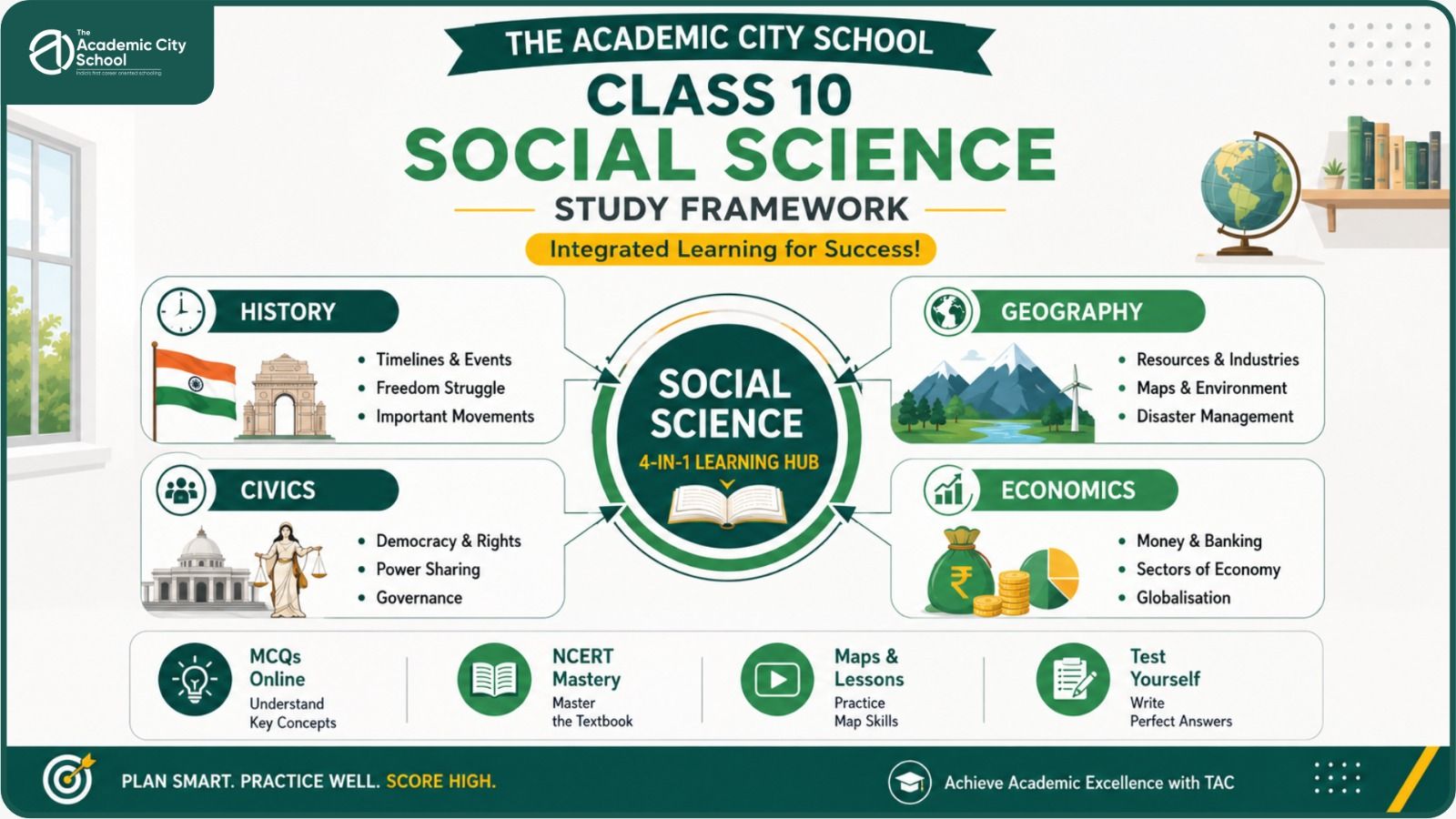 Figure 4: Integrated History, Geography, Civics and Economics learning
History Strategy
- Learn timelines instead of isolated dates
- Understand causes and effects, not just what happened but why
- Revise important dates on a rolling basis, weekly works better than monthly
- Analyse historical events instead of only describing them
History rewards students who can connect one event to the next. If nationalism in Europe led to certain movements in India, know the thread, don't just know the two facts sitting separately in your head. A timeline drawn out by hand, even a messy one, tends to stay in memory far longer than a printed one you only glanced at.
Geography Strategy
- Practice maps regularly, even five minutes a day adds up
- Learn locations in relation to each other, not as isolated dots
- Understand why resources are distributed the way they are
- Study diagrams and charts until they feel familiar, not intimidating
Geography is oddly physical for a subject you study sitting at a desk. Draw the outline of India from memory a few times. It feels tedious at first, then suddenly rivers and mountain ranges start making sense as a system instead of a random list you're expected to recall.
Civics Strategy
- Comprehend constitutional principles via quotidian illustrations.
- Compare institutions instead of memorising them separately.
- Learn key terms with precise, exam-ready definitions.
Civics gets easier the moment you stop treating it as abstract theory. Power sharing, federalism, political parties, these aren't just textbook terms, they play out in the news every single week. Reading a newspaper occasionally, even skimming headlines, builds context that pure textbook reading simply can't.
Economics Strategy
- Study concepts before jumping to numbers
- Practice interpreting data, tables and simple graphs
- Connect economic theory with things happening around you, it sticks better that way
Economics tends to intimidate students who assume it's all calculations. It really isn't, not at this level. Most of Class 10 Economics is about understanding development, sectors and credit systems conceptually. Numbers show up, sure, but they support the concept rather than replace it.
The Social Science Success Pyramid
- <br>• Start with NCERT<br>• Build Concepts<br>• Add Maps & Timelines<br>• Practice Analysis<br>• Arrive at Board Success
High-Weightage Chapters & Exam Intelligence Dashboard
If your time is limited this week, or honestly any week, start here. These chapters show up again and again in board papers, and we track this pattern every single year.
| Chapter | Board Frequency |
|---|---|
| Nationalism in India | Very High |
| Resources & Development | High |
| Agriculture | High |
| Federalism | High |
| Power Sharing | High |
| Money and Credit | High |
| Globalisation and the Indian Economy | High |
TAC Insight
- <br>• Recurring NCERT themes carry real weight in board exams<br>• Map work and source-based questions contribute significantly to final scores<br>• Students who revise high-frequency chapters twice tend to score more consistently
Map Work & Timeline Mastery Zone
Map work quietly decides a lot of marks, and students underestimate it constantly. It looks simple until the exam hall, when suddenly nobody remembers where the Thar Desert actually is.
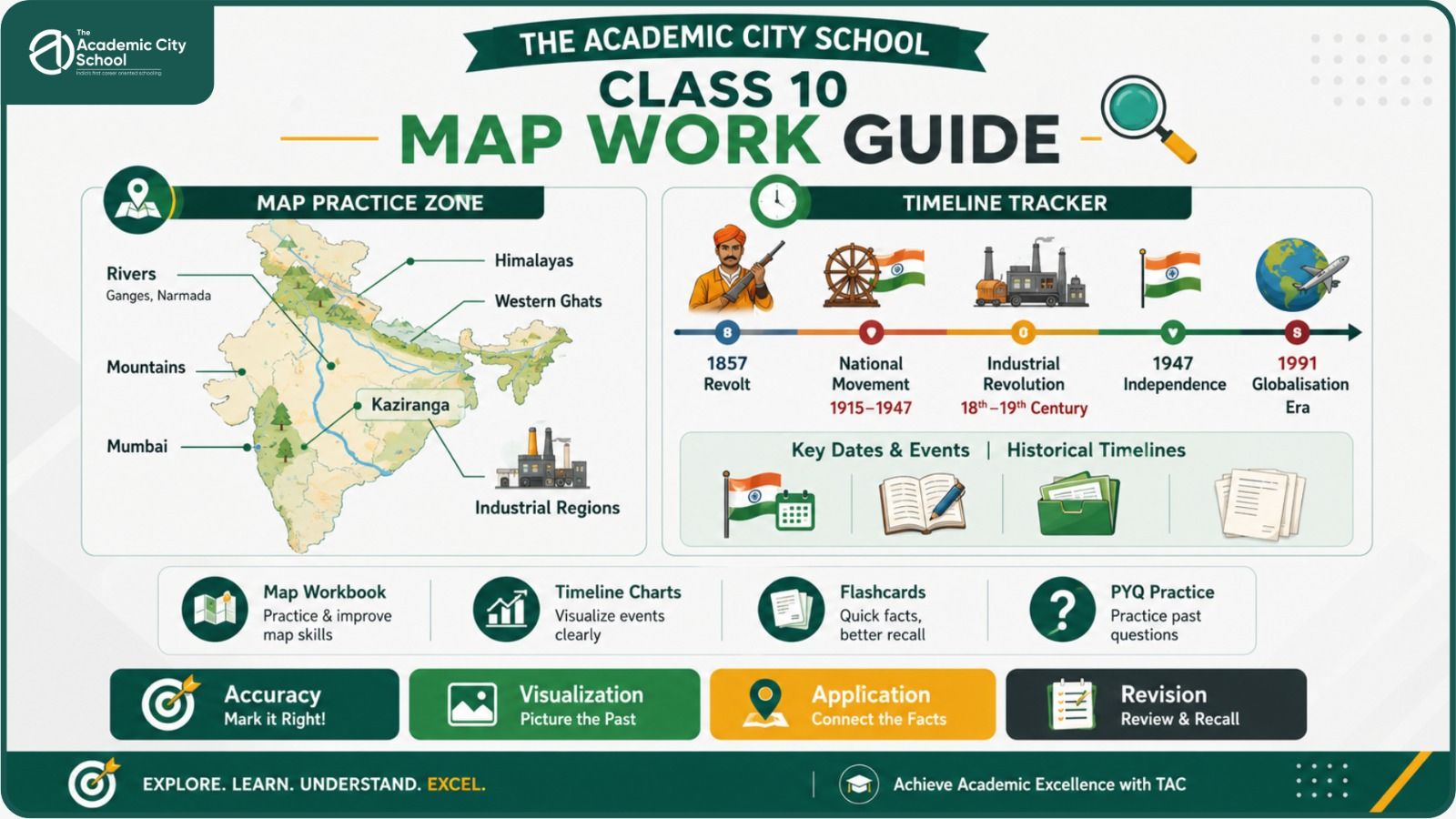 Figure 5: Map practice and timeline learning
Essential Map Work
- National parks and wildlife sanctuaries
- Major rivers and their tributaries
- Dams and irrigation projects
- Mineral belts across India
- Key industrial regions
- Transport networks, road, rail and waterways
Important Timelines
- The national movement, phase by phase
- The industrial revolution and its ripple effects
- Globalisation and its milestones
- Key democratic developments across the world
TAC's Visual Learning Method
We push students towards colour-coded maps because plain black and white maps just don't stay in memory the same way. Pair that with timeline charts, quick memory maps and one-page summaries, and revision stops feeling like punishment. One small tip that genuinely helps, practice map work on loose sheets, not directly in your textbook or notebook. Redoing it, over and over, on fresh paper builds muscle memory in a way that reading a completed map never will. Students who skip this step almost always fumble slightly in the exam hall, even when they technically know the topic.
MCQ Practice & Competency-Based Questions Hub
MCQs used to be the easy scoring zone. They still are, but only if practice is regular rather than crammed the night before. CBSE has also leaned harder into competency-based formats recently, so rote answers alone won't cut it anymore.
What's Included
- Chapter-wise MCQs across all four subjects
- Assertion-Reason questions
- Case studies drawn from real scenarios
- Source-based questions
- Map-based questions
- Competency-based questions
- HOTS, or Higher Order Thinking Skills questions
Real-Life Application Areas
Board papers increasingly frame questions around real situations. Expect topics built around governance, environment, economy, citizenship, sustainable development and global issues, rather than dry, out-of-context recall. A small habit that helps enormously here is keeping a wrong-answer log. Every time an MCQ trips you up, note it down along with the correct reasoning. Within a month, patterns show up, maybe you consistently mix up dates, or maybe map-based questions catch you off guard more than others. That log becomes your most honest revision guide.
Previous Year Question (PYQ) Intelligence Center
PYQs are, frankly, one of the most underused resources students have access to. Patterns repeat more often than people expect, and this table shows exactly where. We recommend attempting PYQs under timed conditions at least once a week closer to boards. It's uncomfortable at first, most students underestimate how long map-based and source-based questions actually take, but that discomfort in practice is exactly what prevents panic in the real exam hall.
| Topic | Frequency |
|---|---|
| Nationalism in India | Very High |
| Federalism | High |
| Agriculture | High |
| Globalisation | High |
| Resources & Development | High |
| Money and Credit | High |
Board examinations tend to circle back to core NCERT themes, often through competency-based, source-based or map-oriented questions. Practising even five years of PYQs builds a real sense of what to expect.
Common Social Science Mistakes That Cost Marks
We've corrected enough answer sheets to know exactly where marks quietly disappear. None of these mistakes are about intelligence. They're about habits, and habits are fixable.
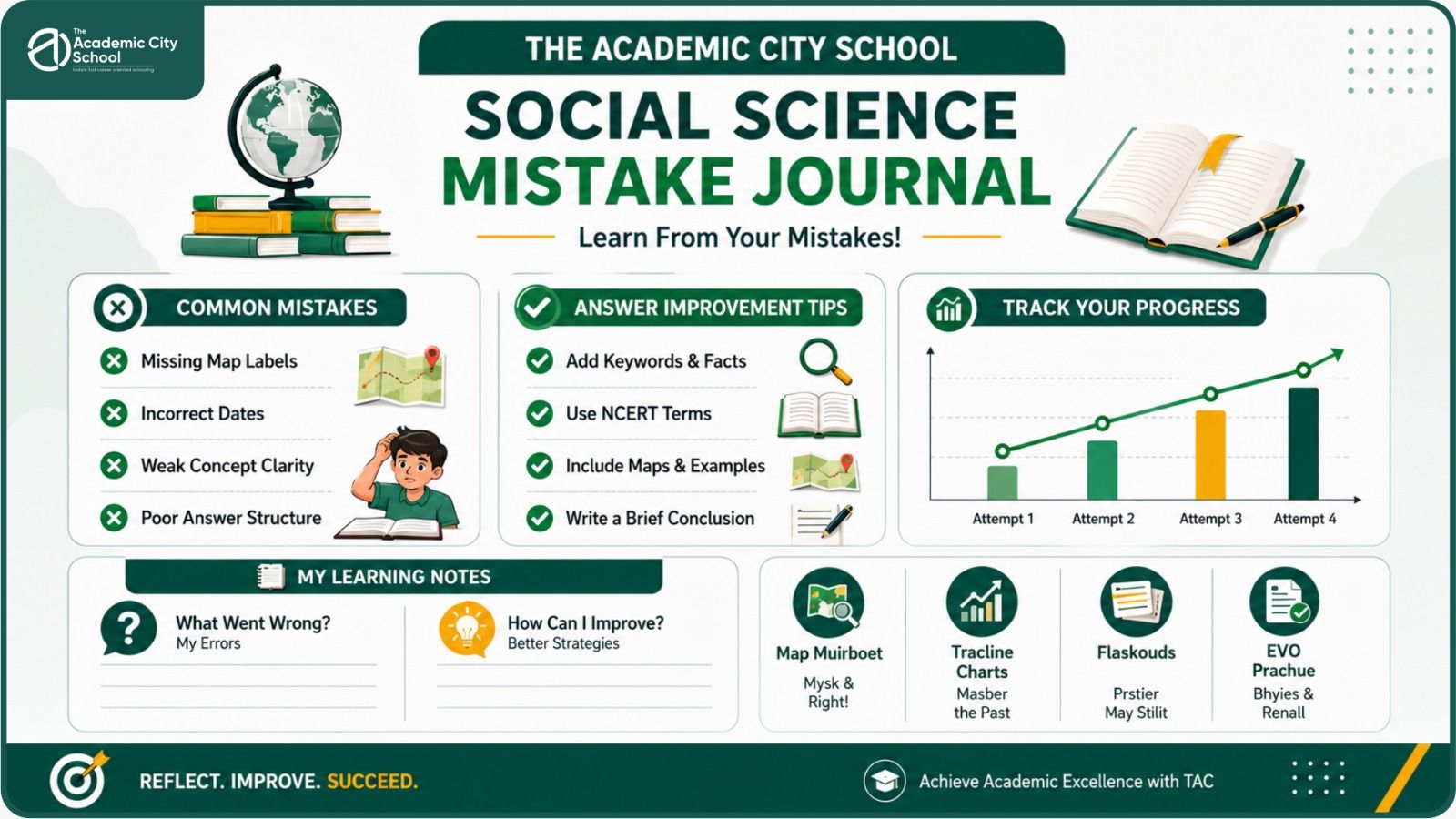 Figure 6: Error identification and answer improvement
- Missing map labels, or labelling them in the wrong location entirely
- Incorrect dates, sometimes off by a decade
- Weak concept explanation that reads more like a guess than an answer
- Poor answer structure, no clear introduction or conclusion
- Ignoring keywords the question is actually asking for
- Memorising without understanding, which falls apart under a slightly reworded question
- Not using examples, which examiners genuinely reward
None of this is about talent, honestly. It's about slowing down for those extra thirty seconds to read the question properly, and building the discipline to check a map label before moving on. Small corrections, repeated consistently, add up to a noticeably stronger answer sheet by the time boards arrive.
Faculty Observation
- <br>• Many students lose marks writing lengthy answers that never address the question's key terms<br>• Supporting points with relevant facts matters more than answer length<br>• A shorter, well-structured answer often scores higher than a longer, vague one
Board Exam Answer Writing Strategy
Knowing the content is only half the job in Social Science. The other half is presenting it the way an examiner wants to see it, quickly and clearly, within limited time. We've noticed a strange pattern over the years, students who score lower often knew almost as much as the toppers. The real gap sat in presentation. A well-organised answer, even a slightly shorter one, tends to earn more marks than a rambling paragraph stuffed with correct facts arranged in no particular order.
Our 5-Step Answer Writing Method
- Understand the question fully before writing a single word
- Write a clear, short introduction
- Use bullet points and headings wherever the answer allows it
- Add examples, maps or flowcharts where appropriate
- Conclude briefly, don't drag it on
Presentation Tips That Actually Move the Needle
- Highlight keywords so the examiner spots them instantly
- Maintain proper spacing between points
- Draw maps neatly, even a rough map beats a messy one
- Use NCERT terminology rather than casual phrasing
- Stick closely to the marking scheme structure
Smart Revision Framework & Memory Retention System
Revision without a system usually turns into re-reading the same page five times and remembering none of it. We built this toolkit specifically to break that cycle. Passive reading feels productive in the moment, but it rarely translates into actual recall during an exam. Active tools, flashcards you test yourself with, an error log you actually revisit, force your brain to retrieve information rather than just recognise it. That difference matters far more than most students expect going in.
Revision Toolkit
- A timeline book for History
- A map workbook for Geography
- Flashcards for definitions and key terms
- Chapter summaries for quick review
- A dedicated PYQ notebook
- Regular MCQ practice sets
- An error log to track repeated mistakes
Daily Revision Formula
- 45 minutes of focused reading
- 45 minutes of question practice
- 30 minutes of pure revision, no new content
TAC Memory Method
- <br>• Read<br>• Recall<br>• Revise<br>• Practice
30-Day Social Science Revision Blueprint
With a month left, structure beats panic every time. Here's the blueprint we recommend to our own students, and it's flexible enough to adjust around school tests too. Notice History gets the longest stretch here, that's intentional given how much weight it typically carries in board papers. If your own strengths and weaknesses differ, shift a day or two between subjects, but try to keep the final three days reserved purely for maps, PYQs and mock tests. That combination ties everything together right before the exam.
| Days | Focus |
|---|---|
| Day 1 to 8 | History |
| Day 9 to 16 | Geography |
| Day 17 to 23 | Civics |
| Day 24 to 27 | Economics |
| Day 28 to 30 | Maps, PYQs & Mock Tests |
Why Students Choose The Academic City School
We won't pretend every school approaches Social Science the same way, because they genuinely don't. Here's what sets our approach apart, in plain terms. As a CBSE-affiliated boarding school, we see the same subject taught in isolated pockets elsewhere, a bit of History here, a rushed Geography revision there, with no thread tying it together. Our approach treats Social Science as one connected system, because honestly, that's closer to how board exams actually test it.
What Makes TAC Different
- A fully CBSE-aligned curriculum, updated every academic cycle
- Interactive smart classrooms that make History and Geography feel less abstract
- Visual learning resources built specifically for board exam demands
- Personalised academic guidance rather than one-size-fits-all teaching
- Board-focused preparation from the very first term
- An integrated revision system that ties every resource together
Outcomes Our Students See
- Higher, more consistent board scores
- Better conceptual understanding across all four subjects
- Stronger map and timeline skills
- Noticeably improved answer writing
- Faster, calmer revision closer to exams
- A structured learning framework they can rely on year after year
Social Science doesn't have to feel like a burden carried through Class 10. With the right structure, and a bit of consistency, it can genuinely become the subject that pulls up your overall percentage. We've watched it happen often enough to say that with confidence. Start small if that feels more manageable. Pick one high-weightage chapter this week, work through the solutions, attempt the MCQs, glance at the PYQs tied to it, and see how it feels. Momentum tends to build on its own from there. That's really all preparation is, one steady chapter at a time, not a single dramatic push right before the exam.
Frequently Asked Questions
Are NCERT Solutions enough for Class 10 Social Science?
For most students, yes, provided they're paired with regular MCQ practice, map work and PYQs. NCERT builds the base, but board exams reward application, so practice beyond just reading solutions matters too. Think of NCERT as the foundation of a house, essential, but not the whole structure on its own.
Which SST chapters have the highest weightage?
Nationalism in India, Resources and Development, Agriculture, Federalism, Power Sharing, Money and Credit, and Globalisation and the Indian Economy tend to appear most consistently in board papers. That said, treat this as a priority list for revision order, not a reason to skip the remaining chapters entirely.
How should I prepare for map work?
Practice daily, even briefly. Use colour coding, revise locations in relation to nearby features, and always double check spellings, since incorrect labelling costs marks even when the location is right.
Are source-based questions important?
Yes, and increasingly so. CBSE has been including more source-based and case-study questions in recent years, so practising with excerpts and data sets is worth the time.
How often should I practice MCQs?
A short, regular session works better than one long session. Even fifteen to twenty minutes of chapter-wise MCQs daily builds real familiarity over a few weeks.
What is the best way to memorise History dates?
Attach dates to a timeline rather than learning them in isolation. Seeing how one event leads into another makes recall far easier than flashcards alone.