




Why NCERT Solutions for Class 10 Science Are Essential
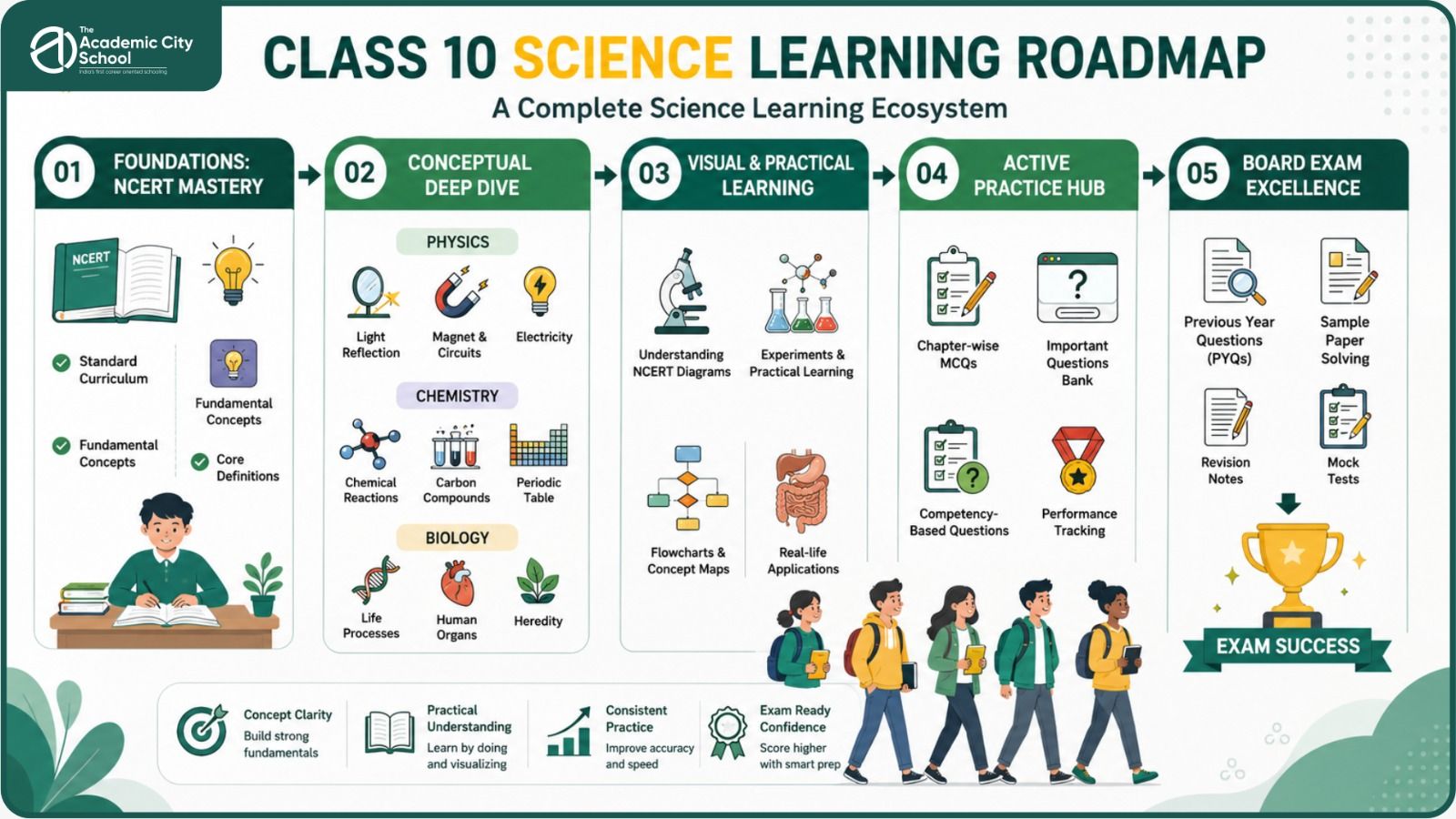 Figure 1: Complete Science learning ecosystem
Class 10 Science is the subject that decides a lot more than just a board exam score. It quietly shapes how ready a student feels for NEET, for JEE, and honestly, for thinking like a scientist at all. We have seen this play out year after year in our classrooms at The Academic City School, and if we're being truthful, it never quite gets old watching a student who was scared of Electricity in September walk into the exam hall in March looking almost bored, in a good way.
So, what exactly are NCERT Solutions? In plain words, they are chapter-wise explanations and textbook answers based on the current CBSE syllabus. They help students grasp scientific concepts properly, get exam-ready, and build a base that carries forward into higher classes and competitive exams. Nothing fancy about it, just structured clarity. Think of it like a ladder. You cannot skip three rungs and expect to land safely at the top, and Science really does work like that, one concept resting on the one before it.
A question we get asked constantly by worried parents, usually around October, is whether NCERT alone can carry a child through the board exam. Short answer, mostly yes. Longer answer, it depends on how deeply the child actually reads the lines rather than skimming them for keywords. There is a difference, a big one, between knowing that mitochondria is the powerhouse of the cell and actually understanding why that phrase even makes sense.
Class 10 Science plays a major role in:
- CBSE Board Exam Success
- NEET and JEE Foundation
- Competitive Exam Preparation
- Scientific Thinking
- Higher Secondary Science Readiness
- Career Exploration in STEM
Three Foundations of Science Success
Concept Clarity: Understanding scientific principles and how they apply in real life, not just memorising lines. A student who understands why a mirror inverts an image rarely forgets it, unlike one who has only crammed the rule.
NCERT Mastery: Learning definitions, laws, reactions, and formulas the way NCERT actually presents them, because examiners tend to lift language almost directly from the textbook.
Practice and Application: Regularly solving MCQs, competency-based questions, and previous year papers, little and often, rather than one giant binge session two nights before the exam.
None of this is revolutionary advice, we know. But you would be surprised how often the simplest habits get ignored simply because they sound too basic to matter.
Here's a small, slightly odd fact that students seem to remember for years afterward. The word 'Science' comes from the Latin scientia, which just means knowledge. That's it. No hidden mystery, no secret club, just knowledge organised in a way that lets us predict what happens next. Once a student stops treating Science as a wall of jargon and starts treating it as organised curiosity, something shifts. Grades usually follow, sometimes within a single term.
CBSE Class 10 Science Exam Pattern and Marks Distribution
Before diving into chapters, it helps to know exactly what we are preparing for. The Science paper isn't just about theory anymore, internal assessment carries real weight too, and students who ignore it often regret it come report card time.
Assessment Structure
| Component | Marks |
|---|---|
| Theory | 80 |
| Internal Assessment | 20 |
| Total | 100 |
That twenty mark internal component might sound small, but on a tight margin between an A1 and A2 grade, it is often the deciding factor. We tell our students not to treat it as an afterthought.
Subject-Wise Weightage
| Subject | Relative Weightage |
|---|---|
| Chemistry | High |
| Biology | High |
| Physics | High |
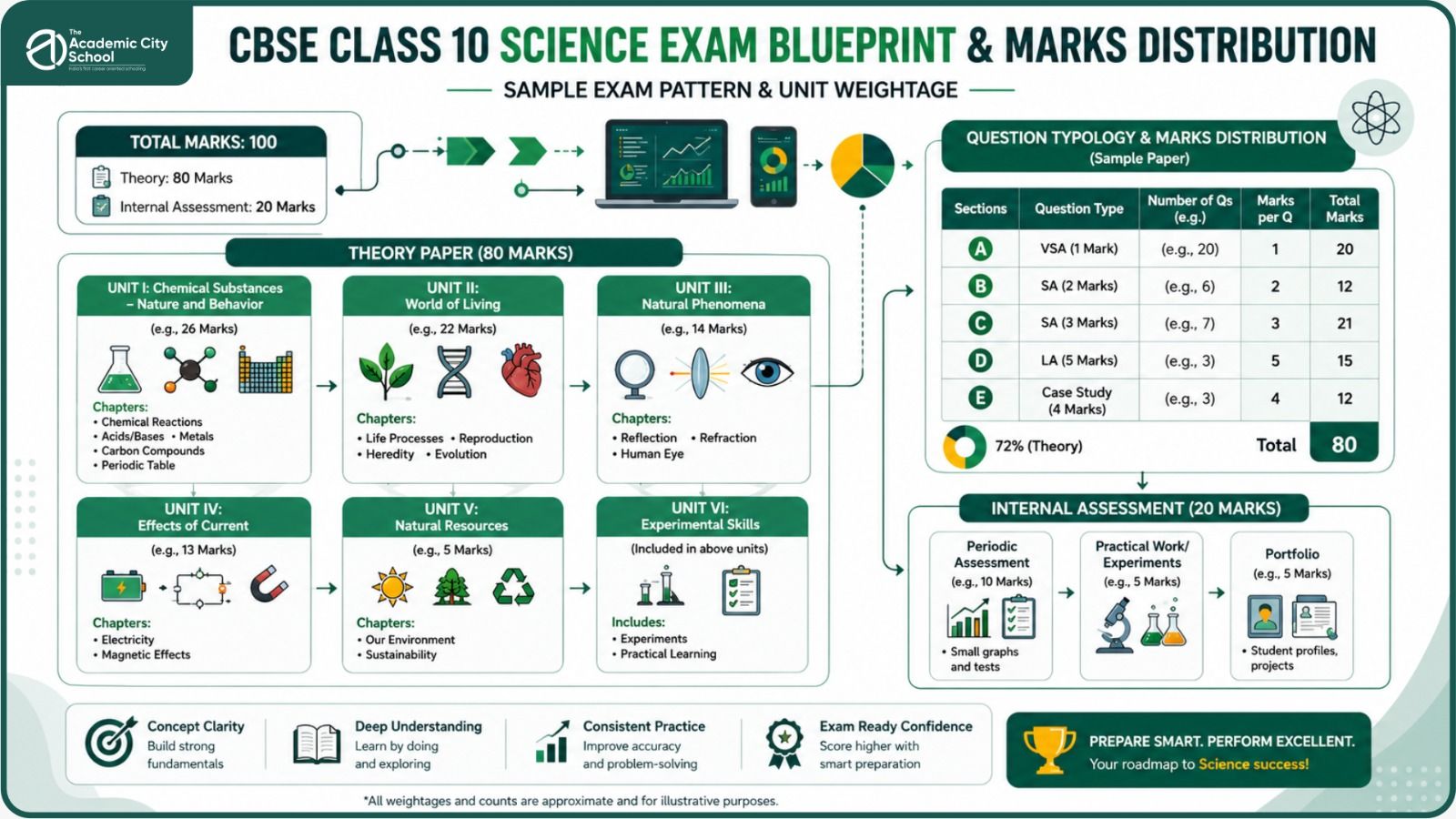 Figure 2: Science exam structure and marks distribution
New CBSE Focus Areas
- Competency-Based Questions
- Case Study Questions
- Experimental Analysis
- Application-Based Learning
- Scientific Reasoning
- Data Interpretation
The board has been steadily nudging papers away from rote recall and toward application over the last few cycles. It is not a dramatic shift, more like a slow tide coming in, but ignoring it would be a mistake.
A quick, practical note for parents reading this over their child's shoulder. Internal assessment usually rewards consistency across the year far more than a single brilliant week before submission. Lab file neatness, punctuality with practicals, and steady participation in class activities count for more than most families assume, so it genuinely pays to stay on top of it from term one rather than scrambling in February.
TAC's 4-Tier Science Learning Framework
Over the years, we have built a framework that genuinely works, not just on paper but in actual results. It has four layers, and each one solves a different problem that students face. Some students struggle with the raw information, some with visualising it, some with applying it under exam pressure, and some simply forget everything the week before the paper. This framework addresses all four.
Tier 1: NCERT Solution Layer
Step-by-step textbook solutions, written the way a teacher would explain it on the board, not the way a machine would summarise it.
Board-oriented explanations that match how examiners actually award marks, sentence by sentence, keyword by keyword.
Tier 2: Visual Science Layer
Every chapter includes:
- Diagrams
- Flowcharts
- Concept Maps
- Process Illustrations
- Reaction Charts
Some students are readers; some are visual thinkers. We stopped assuming every child learns the same way a long time ago, and this layer exists precisely because of that.
Tier 3: Exam Excellence Layer
- Important Questions
- MCQs
- Assertion-Reason
- Competency-Based Questions
- PYQs
Tier 4: AI Recall Layer
- Quick Notes
- Memory Tables
- Formula Boxes
- Active Recall Cards
This last tier is deceptively simple. Flashcards feel old school, sure, but active recall genuinely beats passive rereading, and there is a mountain of learning science behind that claim, not just our opinion.
Fun aside: we once had a student who insisted flashcards were for younger kids, not for someone prepping for boards. Two months later, after a mock test wake-up call, he was the one making flashcards for his entire friend group. Pride is a funny thing; it tends to bend once results start talking.
Complete Science Resource Hub Directory
Every single chapter page on our platform is built the same reliable way, so students never have to hunt around wondering what's included. Here is exactly what's inside each one. We designed it this way on purpose, consistency matters more than students realise when they are stressed and skimming through pages at eleven at night.
- NCERT Exercise Solutions
- In-text Question Answers
- Solved Examples
- Important Definitions
- Formula Lists
- Chemical Reactions
- Diagrams
- Flowcharts
- Important Questions
- MCQs
- Assertion-Reason Questions
- Competency-Based Questions
- PYQs
- Common Mistakes
- Revision Notes
- Downloadable PDFs
Sixteen items, every chapter, no exceptions. It sounds like a lot when you list it out like that, but spread across a term it works out to a manageable rhythm.
Interactive Chapter-Wise NCERT Solutions Matrix
Rather than dumping everything into one long page, we split Class 10 Science into its three natural pillars. Here's the full matrix, chapter by chapter, so students (and honestly, parents too) can see the whole map in one glance instead of scrolling forever.
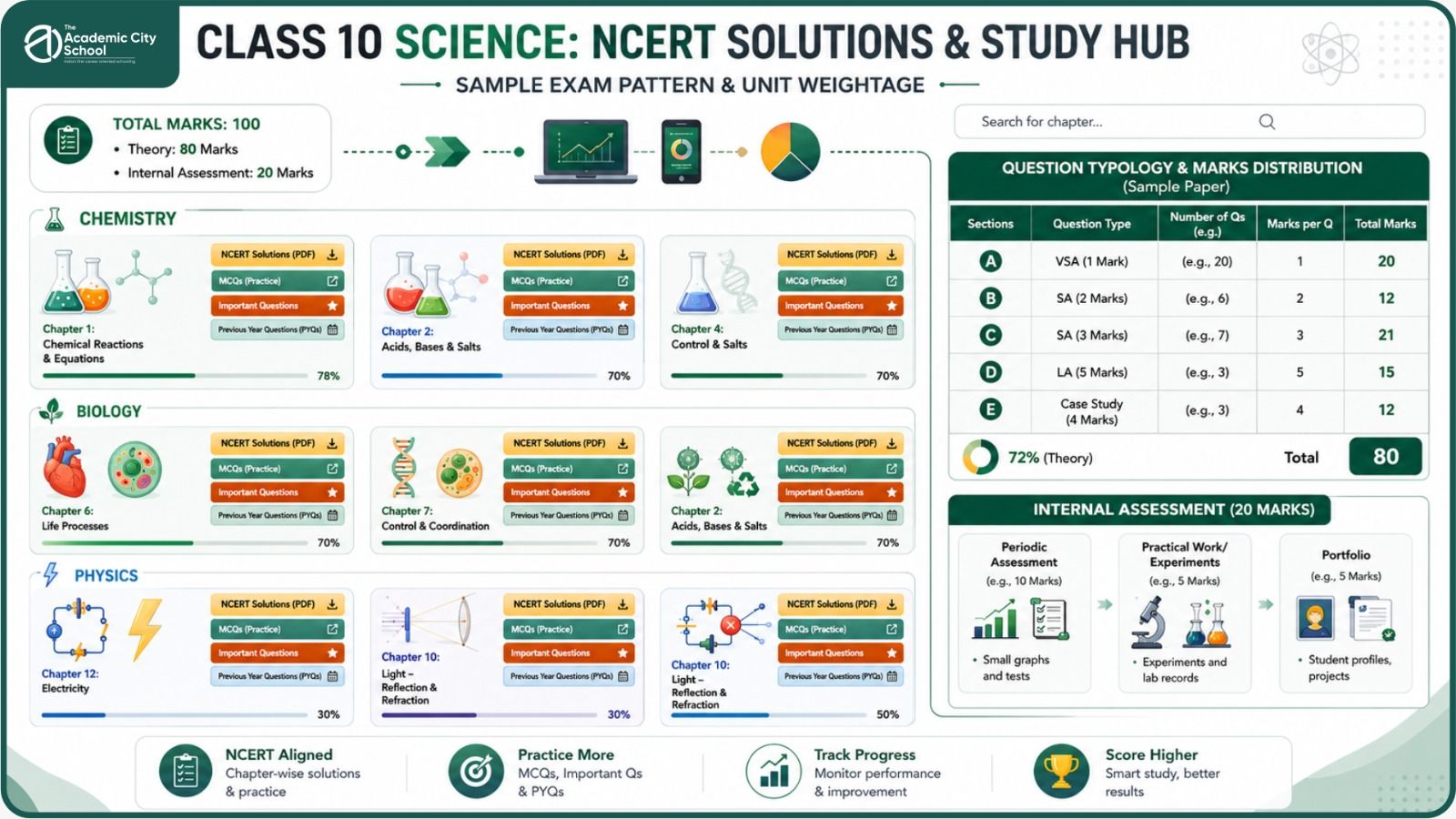 Figure 3: Interactive chapter navigation dashboard
Chemistry
| Chapter | Key Topics | Resources |
|---|---|---|
| Chemical Reactions and Equations | Balancing, Types of Reactions | Solutions + MCQs |
| Acids, Bases and Salts | pH, Indicators | Solutions + PYQs |
| Metals and Non-Metals | Reactivity Series | Solutions + Important Questions |
| Carbon and Its Compounds | Hydrocarbons, Functional Groups | Solutions + MCQs |
Biology
| Chapter | Key Topics | Resources |
|---|---|---|
| Life Processes | Nutrition, Respiration | Solutions + MCQs |
| Control and Coordination | Nervous System, Hormones | Solutions + Important Questions |
| How Do Organisms Reproduce? | Reproduction | Solutions + PYQs |
| Heredity and Evolution | Genetics | Solutions + MCQs |
| Our Environment | Ecosystem | Solutions + Competency Questions |
Physics
| Chapter | Key Topics | Resources |
|---|---|---|
| Light: Reflection and Refraction | Mirrors and Lenses | Solutions + MCQs |
| Human Eye and Colourful World | Eye Defects | Solutions + PYQs |
| Electricity | Ohm's Law | Solutions + Important Questions |
| Magnetic Effects of Electric Current | Electromagnetism | Solutions + MCQs |
Sixteen chapters in total across the three subjects, and yes, every single one of them shows up somewhere in the board paper, some more heavily than others, which brings us to the weightage discussion a little later in this guide.
Science Mastery Manual: Concepts, Diagrams and NCERT Strategy
A lot of students ask us the same thing every year: what is actually the right way to study Science? Honestly, it comes down to three habits done consistently, not any secret shortcut. We wish we could hand over a magic formula, but the truth is a little more boring than that, and also a lot more reliable.
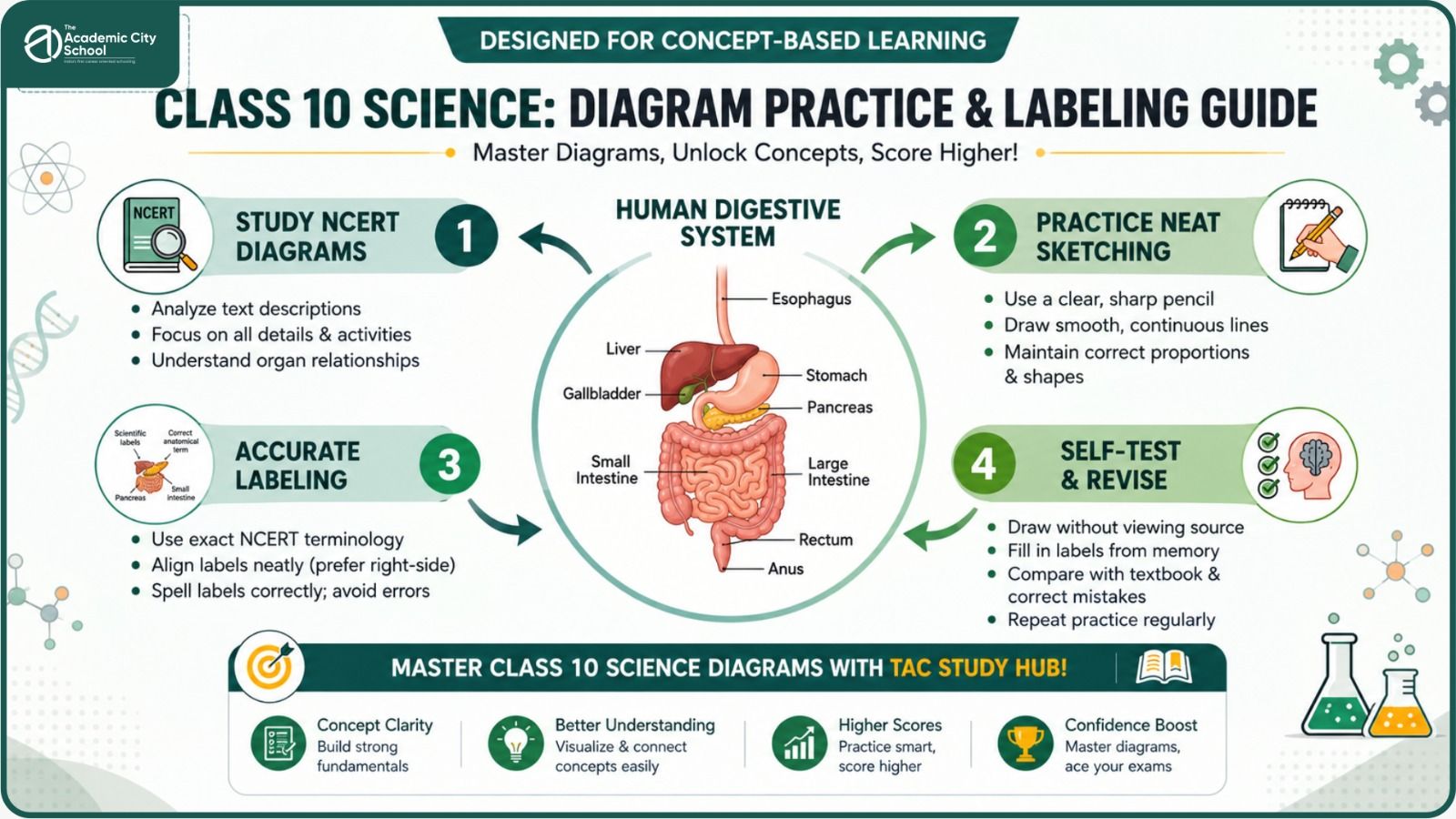 Figure 4: Diagram-based concept learning
NCERT Strategy
Focus on:
- NCERT Definitions
- Scientific Laws
- Chemical Equations
- Key Concepts
- Examples
Diagram Strategy
Focus on:
- Correct Labels
- Clean Drawings
- Scientific Accuracy
- Board Presentation
Concept Strategy
Learn through:
- Cause and Effect
- Scientific Processes
- Flow Sequences
- Real-Life Applications
Science Success Pyramid
- NCERT → Concepts → Diagrams → Application → Board Success
One small tangent here, because it matters more than it sounds. Students often draw a beautiful, textbook-perfect diagram and then forget to label even one part. Examiners deduct marks for that, every single time, no exceptions. It stings, but it is also completely avoidable with five extra seconds of care.
High-Weightage Chapters and Exam Intelligence Dashboard
If time is short (and let's face it, it usually is by January), these are the chapters that deserve first priority. We tracked this pattern across several years of board papers, and while nothing in exams is ever a hundred percent guaranteed, some chapters show up again and again with almost stubborn regularity.
| Chapter | Board Frequency |
|---|---|
| Light | Very High |
| Metals and Non Metals | Very High |
| Carbon and Its Compounds | High |
| Life Processes | Very High |
| Electricity | High |
| Heredity and Evolution | High |
| Chemical Reactions and Equations | High |
TAC Exam Insight
- A large proportion of CBSE Science questions are derived from recurring NCERT concepts, diagrams, activities, and textbook exercises.
Interesting fact worth mentioning here: Electricity and Life Processes together often account for a noticeably large chunk of the numerical and long-answer sections combined. That is not a coincidence, it reflects how central these two chapters are to the overall syllabus design.
If we had to bet on where a student's marks quietly slip away, it would be numerical problems in Electricity. Not because the concept is hard, Ohm's Law is honestly one of the simpler relationships in the whole syllabus, but because students rush the units. Volts, amps, ohms, watts, they all look similar on paper at 11pm when you're tired, and one wrong unit can unravel an otherwise perfect answer.
Diagram and Practical Concept Mastery Zone
Diagrams quietly carry a good chunk of marks in Science, and yet they're the part students rush through the night before the exam. Don't do that to yourself, seriously. We have watched too many good students lose marks not because they didn't know the concept, but because their diagram looked like it was drawn during an earthquake.
Must-Master Diagrams
- Human Digestive System
- Human Eye
- Neuron
- Heart
- Lens Ray Diagrams
- Electric Circuits
- Magnetic Field Lines
- Periodic Table Trends
TAC Visual Learning Method
Every chapter includes:
- Flowcharts
- Mind Maps
- Reaction Maps
- Process Diagrams
- Memory Triggers
Diagram Writing Framework
- Draw Neatly
- Label Correctly
- Maintain Proportion
- Use NCERT Terminology
- Highlight Important Parts
A tiny but useful tip we give every batch: practice the same diagram at least five times across the term, not five times the night before. Muscle memory in the hand genuinely helps under exam pressure, it is not just a motivational cliche.
MCQ Practice and Competency-Based Questions Hub
MCQs used to feel like the easy section. These days, with competency-based questions in the mix, they test understanding far more than memory, and honestly that is a good thing even if it makes preparation slightly harder in the short term.
Includes
- Concept-Based MCQs
- Assertion-Reason Questions
- Case Studies
- Source-Based Questions
- Experimental Questions
- Data Interpretation
- Higher-Order Thinking Questions (HOTS)
- Real-Life Science Applications
Questions based on:
- Healthcare
- Electricity
- Environmental Protection
- Daily Chemistry
- Scientific Innovations
A fun fact for students who think Chemistry has nothing to do with daily life: the same chemical principle that explains why baking soda fizzes with vinegar in your kitchen also shows up, almost word for word, in a board question about acids and bases. Science really isn't as far removed from ordinary life as it sometimes feels in a textbook.
We would also gently push back on one common myth here. Competency-based questions are not designed to trick students, whatever the internet rumour mill says. They are designed to check whether a concept can travel outside the four corners of a textbook page. If a student truly understands neutralisation, an antacid tablet question and a soil pH question should both feel equally approachable, not like two completely different topics.
Previous Year Question (PYQ) Intelligence Center
PYQs tell a story if you actually sit down and read them in bulk instead of one paper at a time. Patterns show up, and they repeat more than most students expect, sometimes almost word for word from one year to another with just the numbers changed.
| Chapter | Trend |
|---|---|
| Light | Very High |
| Life Processes | Very High |
| Metals and non- metals | Very High |
| Chemical Reactions | High |
| Electricity | High |
| Heredity | High |
TAC Insight
- Most board questions emphasize conceptual understanding and the application of core NCERT topics rather than entirely new content.
We often tell parents this analogy, and it seems to land well: solving ten years of PYQs is a bit like watching ten years of a cricket team's matches before playing against them. You start noticing the patterns, the favourite shots, the weak spots. Exams are honestly not that different.
One genuinely surprising thing we noticed while reviewing old papers: certain diagrams get asked in slightly rotated or relabelled form almost every alternate year, the human eye diagram being a classic repeat offender. Students who only memorise one fixed orientation of a diagram sometimes freeze when the same diagram appears rotated or with different labels pointed out. Practising a diagram from multiple angles, oddly enough, matters more than most students expect.
Common Science Mistakes That Cost Marks
We have graded thousands of answer sheets by now, and the mistakes rarely change. Here's where students lose marks that they honestly did not need to lose, and it is a little frustrating every single time because most of these are so easily fixable.
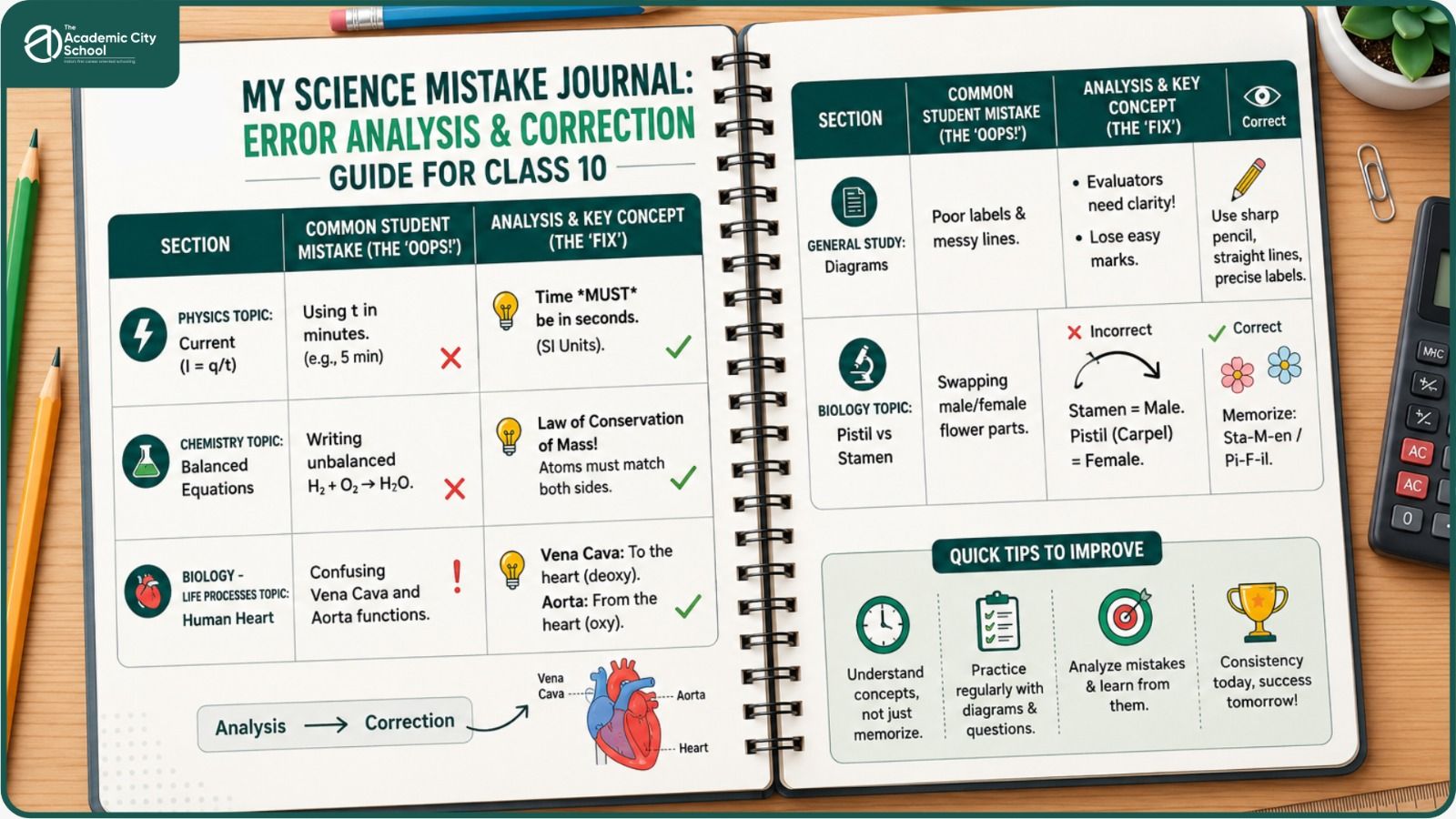 Figure 5: Error analysis and correction guide
Chemistry
- Incorrect Chemical Equations
- Wrong Valency
- Missing State Symbols
Physics
- Unit Conversion Errors
- Formula Selection Mistakes
- Calculation Errors
Biology
- Incorrect Diagrams
- Wrong Terminology
- Missing Labels
Faculty Observation
- Students often lose marks due to inaccurate scientific terminology, incomplete diagrams, and skipping key steps in numerical solutions.
Missing state symbols is probably the single most common, and most avoidable, mistake we see in Chemistry answer sheets. It takes two extra seconds to write (aq) or (g) after a formula, yet it costs students a mark almost every single time they forget.
Board Exam vs Olympiad/Foundation Preparation Strategy
Board prep and Olympiad or NEET-JEE foundation prep aren't the same animal, even though they overlap quite a bit on the surface. Knowing where they differ saves a lot of wasted effort, and quite a few late nights that did not need to happen.
Track A: Board Excellence
Focus on:
- NCERT
- Diagrams
- Definitions
- Structured Answers
- PYQs
Track B: Foundation Preparation
Focus on:
- MCQs
- Logical Reasoning
- Application Questions
- Experimental Concepts
- Advanced Practice
Competitive Relevance
| Exam | Science Relevance |
|---|---|
| NTSE/Foundation Programs | High |
| Olympiads | High |
| NEET Foundation | Very High |
| JEE Foundation | Very High |
Our advice, for whatever it's worth: do not chase both tracks with equal intensity in the final two months before boards. Boards come first, chronologically at least, so let that dictate where the bulk of the hours go.
Smart Revision Framework and Memory Retention System
Revision is where most students either seal a good score or fumble it at the last minute. A little structure here goes a long, long way, and yet it is often the most neglected part of the entire preparation cycle.
Science Revision Toolkit
- Chapter Notes
- Formula Cards
- Reaction Sheets
- Diagram Book
- Flashcards
- PYQs
- Error Log
Daily Study Formula
- 45 Minutes Learning
- 45 Minutes Practice
- 30 Minutes Revision
TAC Memory Method
- Learn → Recall → Practice → Revise → Master
That Error Log deserves a special mention. Most students only note down what they got right, which feels good but teaches you almost nothing new. Keeping a small notebook of mistakes, the honest, slightly embarrassing kind, is one of the fastest ways to improve we have ever seen.
We ask every batch to colour code their error log too, red for concept gaps, blue for careless mistakes, green for time management issues. It sounds almost childish, using coloured pens at fifteen or sixteen years old, but the visual pattern that emerges after a month is often eye opening. Most students are shocked to discover their biggest enemy isn't lack of knowledge at all, it's rushing.
30-Day Science Revision Blueprint
If you only had thirty days left, here's exactly how we would divide them at TAC. It's simple by design, so there's no excuse to skip it, and frankly, thirty days is more than enough time if used with discipline rather than panic.
| Days | Focus |
|---|---|
| 1-9 | Chemistry |
| 10-18 | Biology |
| 19-27 | Physics |
| 28-30 | PYQs + Mock Tests + Final Revision |
Notice Physics gets the shortest window here. That is intentional, not an oversight. By the time students reach day 21, most of the numerical practice from earlier chapters has already built momentum, so Physics tends to move faster than the other two subjects at that stage.
Why Students Choose The Academic City School
At the end of the day, results come from a mix of good teaching and the right resources placed at the right time. Here's what sets our Science programme apart, and why parents keep telling other parents about it, which honestly is the best kind of endorsement any school can hope for.
What Makes TAC Different
- CBSE-Aligned Science Curriculum
- Smart Laboratories
- Interactive Learning
- Integrated Foundation Preparation
- Personalized Academic Mentorship
- Activity-Based Science Education
Outcomes Students Receive
- Strong Board Performance
- Better Scientific Understanding
- Improved Problem-Solving Skills
- Faster Revision
- Competitive Exam Readiness
- Structured Learning Framework
None of this happens overnight, and we would be lying if we said it did. But steady, structured effort across a year, backed by the right resources, tends to add up to something quite remarkable by exam time.
If there is one closing thought worth carrying forward from this whole guide, it is this. Science rewards patience far more than panic. Every chapter here, from Electricity to Heredity, was built by someone asking a simple question and refusing to stop until they found an honest answer. Approach your board preparation the same way, one honest question at a time, and the marks tend to take care of themselves.
Frequently Asked Questions
Are NCERT Solutions enough for Class 10 Science?
For most of the theory paper, yes. NCERT covers almost every concept the board tests. We do recommend layering in MCQs and PYQs for the competency-based section though, since that part goes slightly beyond textbook wording and tends to test application rather than plain recall.
Which Science chapters have the highest weightage?
Electricity, Life Processes, and Chemical Reactions and Equations consistently carry the highest weightage year after year, based on our review of past papers going back several cycles.
Are diagrams important in the CBSE Science exam?
Very much so. Neat, correctly labelled diagrams often fetch full marks on their own and also make your written answers easier for examiners to follow, which honestly works in the student's favour more often than people realise.
How should I prepare for competency-based questions?
Practice case studies and real-life application questions regularly. These questions test understanding rather than recall, so rote learning alone will not help much here, no matter how many times you reread the chapter.
How often should I practice MCQs?
Preferably a brief daily run instead of an extensive effort immediately prior to the examination. Bit by bit builds speed and accuracy way better than cramming, the exact way daily walks beat one exhausting gym session a month.
Are NCERT activities important for board exams?
Yes, tons of board questions are ripped right from NCERT activities and experiments, so never skip them while studying, even if they feel like a total drag right now.
Can I download chapter-wise Science PDFs?
Yes, free downloadable chapter PDFs come inside our Science Success Toolkit for signed-up students, updated every term to match the current syllabus.
How do I revise Science effectively before exams?
Use a mix of formula cards, diagram practice, and PYQs in the final month, tracking a solid plan like our 30-Day Revision Blueprint instead of trying to reread the whole massive textbook cover to cover.
Is it necessary to learn NCERT back exercises word for word?
Not word for word, but very close to the intent and structure of the original answer. Examiners look for specific terms and a clear flow, so getting the logic behind an answer usually takes you further than memorizing it like a poem.
What is the biggest difference between Class 9 and Class 10 Science?
Class 10 leans much harder into numericals, chemical equations, and board-style long answers. Class 9 lays the foundation, Class 10 asks you to actually build on it and apply it under time pressure.