



Ask any Class 10 student what they dread most in Social Science and there is a fair chance map work tops the list. Funny thing is, it should not. Out of everything in the syllabus, map work is probably the most learnable, most predictable, and honestly the easiest place to pick up marks that other students throw away. We have watched batch after batch at TAC go from panicking over blank outline maps in July to filling them out calmly by February, and the difference almost never comes down to talent. It comes down to a system. This article lays out exactly that system, chapter by chapter, location by location, so that map work stops being the scary part of the paper and starts being your safest scoring zone. Here is the thing nobody really tells you in the first term of Class 10. Map work does not test how clever you are, it tests how consistent you are. A student who spends ten quiet minutes a day with a blank outline map from August onwards will, almost without fail, outscore a student who is far sharper conceptually but only opens the atlas in January. We say this every single year to our batches and every single year a few students test it out for themselves and come back surprised. So, before we get into chapters and locations, take that one idea with you. Consistency, not talent, wins map work. This article is organised the way we actually teach it in our own Social Science classrooms at The Academic City School, moving from the why, into the how, and finally into the exact chapter lists, memory tricks, and a day wise blueprint you can literally follow on your calendar. Feel free to jump straight to the chapter you are stuck on, but if you have the time, read it start to finish once. It will save you far more time later than it costs you now.
Why Map Work Is Important in Class 10 Social Science
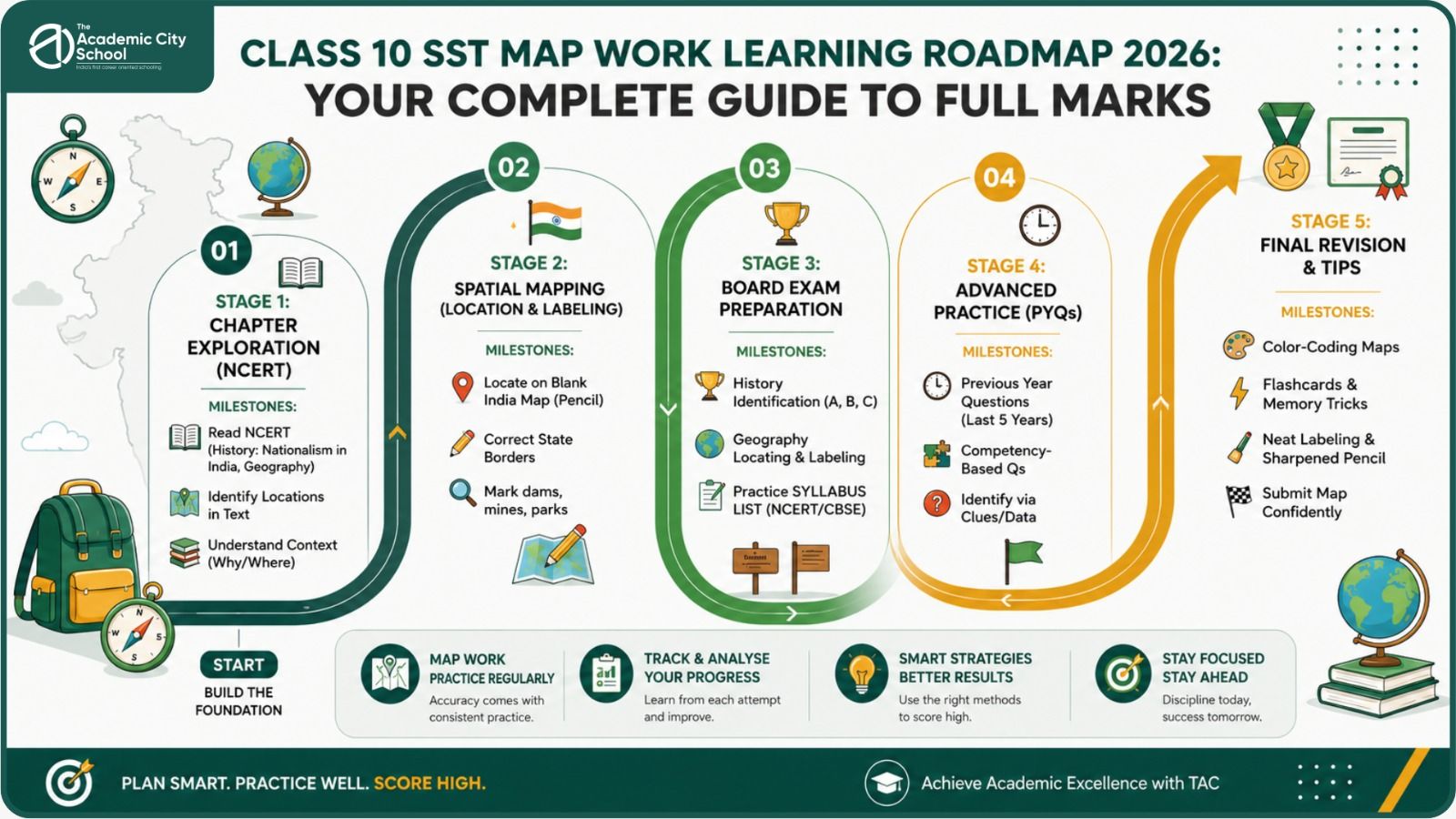 Figure 1: Class 10 Social Science map work learning roadmap
A lot of students treat map work as an afterthought, something to glance at the night before the exam. That is exactly the mistake we want you to avoid. Map based questions reward preparation more directly than almost any other part of the Social Science paper because the locations tested come straight from the NCERT textbook, session after session. Quick Answer
Quick Answer
- Score easy board exam marks with minimal ambiguity<br>• Improve geographical understanding of India as a whole<br>• Remember historical events by anchoring them to a place<br>• Strengthen analytical and pattern-recognition thinking<br>• Perform better in the newer competency-based questions<br>• Revise faster because a map is basically a picture, and pictures stick
Why is map work important for Class 10 Social Science? Map work helps students pinpoint crucial spots, see geographical patterns, and link history with real places, which ultimately helps them nail board exam questions with ease. Regular, steady practice improves memory, neatness in presentation, and overall performance in Social Science. Four Benefits of Regular Map Practice
- Better Visual Memory, since a location on a map is far easier to recall than a line of text
- Higher Accuracy, because repeated practice removes the guesswork on exam day
- Faster Revision, as one glance at a labelled map can refresh an entire chapter
- Improved Board Scores, particularly in the last ten minutes before submission when a quick map check can save marks
There is also a quieter benefit that rarely gets mentioned. Map work forces you to slow down and actually look, properly look, at where places sit in relation to each other. A river does not exist in isolation, it flows past a dam, feeds an agricultural belt, and often sits near an industrial region too. Once a student starts noticing these relationships instead of memorising isolated names, Geography as a whole subject becomes noticeably easier, not just the map section.
CBSE Map Work Pattern & Board Exam Strategy
The board paper does not test maps in one single, fixed way anymore. It tests them in layers, and each layer needs a slightly different approach. A few years back, map questions were fairly mechanical, you were shown a blank outline and asked to mark three or four locations, full stop. That format still exists, but it now sits alongside newer question types that expect a bit more thinking. A competency based map question, for instance, might ask you to identify a location and then explain why an industry developed there, or how a dam on a particular river benefits the surrounding region. This shift matters because rote memorisation alone, without understanding the reason behind a location, starts to fall short in these newer formats. Map Questions in the Board Exam
- Geography Map Questions, where you locate and label physical or economic features
- History Map Identification, tied to events from the national movement
- Competency Based Map Questions, which ask you to reason using the map rather than just point at it
- Source Integrated Maps, where a short passage or data snippet accompanies the map
- Location Based Questions, testing simple recall of where something lies
Board Preparation Priorities
| Priority | Focus Area |
|---|---|
| Very High | Repeated NCERT Locations |
| High | History Map Practice |
| Very High | Geography Map Labeling |
| High | Map Based PYQs |
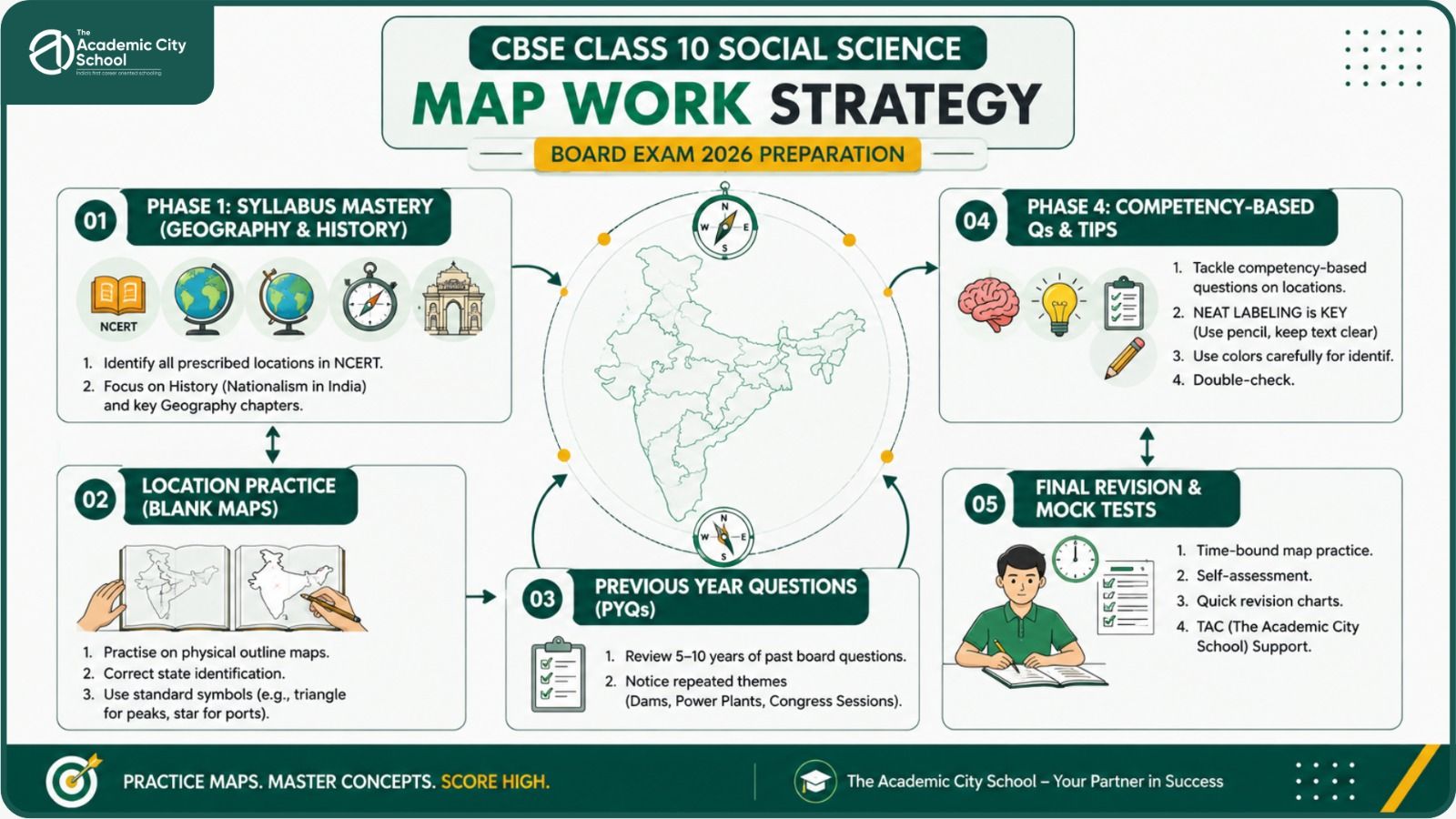 Figure 2: Board exam map preparation strategy
Where Students Usually Lose Marks
- Incorrect Placement of the location on the map
- Wrong Labels, even when the location itself is correct
- Poor Presentation, messy lines or overlapping text
- Lack of Practice, plain and simple
One small but important note here. Always cross check the current year's CBSE sample paper and the official marking scheme before finalising your map list, since the exact locations prescribed can shift slightly from one academic session to the next. We would rather you rely on the latest circular than on a fixed number quoted somewhere online.
TAC's 4-Tier Map Learning Framework
We built this framework after noticing that students who struggled with maps were not lacking intelligence, they were lacking a sequence. Skipping straight to practice questions without first understanding the chapter, for instance, almost never works. So here is the order we recommend, tier by tier. What usually happens without a framework is this. A student sits down the week before the exam, grabs a labelled map, and tries to copy every location onto a blank one from memory in one sitting. It rarely works, and honestly it should not, because there was never a proper first pass through the concept to begin with. The four tiers below exist precisely to prevent that last minute scramble. Move through them in order, chapter by chapter, and do not let yourself skip a tier just because it feels slow at first. Slow and steady genuinely wins this particular race.
Tier 1: Understand the Chapter
Read the chapter properly first. A map location means very little if you do not know why it matters in the story of the chapter.
Tier 2: Locate Places on Maps
Once the concept is clear, physically locate the place on a blank outline map. Do this with your own hand, not just by looking at an already labelled map.
Tier 3: Practice Board Level Questions
- PYQs (previous year questions)
- MCQs
- Competency Based Questions
- Case Studies
Tier 4: AI Recall Layer
- Memory Maps that you redraw from scratch
- Colour Coding by chapter or theme
- Location Flashcards for quick daily review
- Visual Revision Notes combining maps with short notes
Complete Map Work Resource Hub
Every chapter in our map work resource hub is built the same way, so once you get used to the format for one chapter, the rest feel familiar. Each chapter folder includes:
- Blank Practice Maps to fill in yourself
- Labeled Maps for reference and self-checking
- Important Locations listed clearly
- PYQs collected from past board papers
- MCQs for quick daily practice
- Competency Questions in the newer CBSE style
- A Map Marking Guide
- Memory Tricks specific to that chapter
- Revision Notes
- Downloadable PDFs for offline practice
Chapter-Wise Geography Map Work Guide
Geography map work is where most of the scoring actually happens, so we have broken it down chapter by chapter below. Practice each of these with a blank map in front of you, not just by reading the list. One habit we insist on with our own students is grouping locations by theme rather than by chapter alone. So, when you sit down to revise, say, Minerals and Energy Resources, do not just memorise a list of names in isolation. Instead, notice that coal fields tend to cluster in certain belts, that iron ore mines often sit close to those same belts, and that this closeness is precisely why certain industrial regions developed where they did. Once you see that pattern, an entire cluster of locations becomes far easier to recall together, rather than as separate, disconnected facts you are trying to hold in your head one at a time.
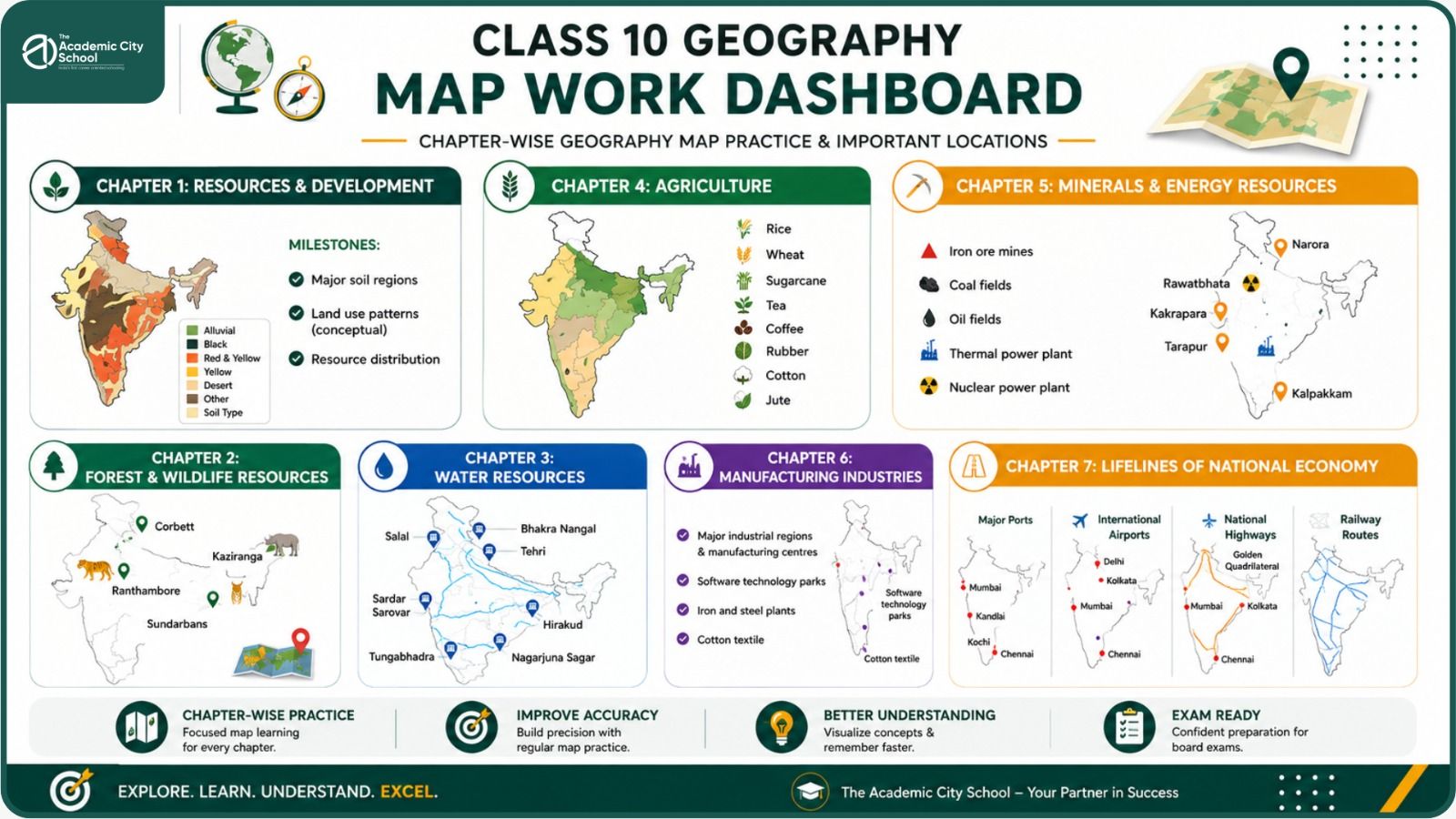 Figure 3: Chapter-wise Geography map practice
Resources and Development
- Major Soil Regions
- Land Use Patterns (conceptual understanding)
- Resource Distribution, wherever prescribed in the syllabus
Forest and Wildlife Resources
- National Parks
- Wildlife Sanctuaries
- Biosphere Reserves
Water Resources
- Major Dams
- Important River Projects
Agriculture
- Major Crop Producing Regions
- Agricultural Belts
Minerals and Energy Resources
- Coal Fields
- Oil Fields
- Iron Ore Mines
- Thermal and Nuclear Power Plants, as applicable to your syllabus
Manufacturing Industries
- Industrial Regions
- Major Manufacturing Centres
Lifelines of National Economy
- Major Ports
- Airports
- National Highways
- Railway Routes
A small tip from our faculty room. Students who practice these chapters in the same order as the textbook tend to retain them better than those who jump around randomly, simply because the chapters build on each other conceptually. If you only have time to prioritise two or three Geography chapters properly before an internal test, lean towards Water Resources, Minerals and Energy Resources, and Lifelines of National Economy. In our experience marking papers over the years, these three chapters show up in map questions with slightly higher frequency than the others, though of course you should still cover every chapter eventually for full board preparation.
Chapter-Wise History Map Work Guide
History map work carries a slightly different flavour compared to Geography. Here, the map is less about physical features and more about connecting a place to a moment in our national story. Students who are strong in Geography maps sometimes stumble here, and it is usually because they try to apply the same purely spatial method to History, when really History maps need a narrative attached. It is not enough to know that a particular city hosted a Congress session, you should also be able to place that session within the wider timeline of the national movement, roughly speaking what came before it and what followed after. That small extra layer of context is often exactly what a competency based History map question is checking for.
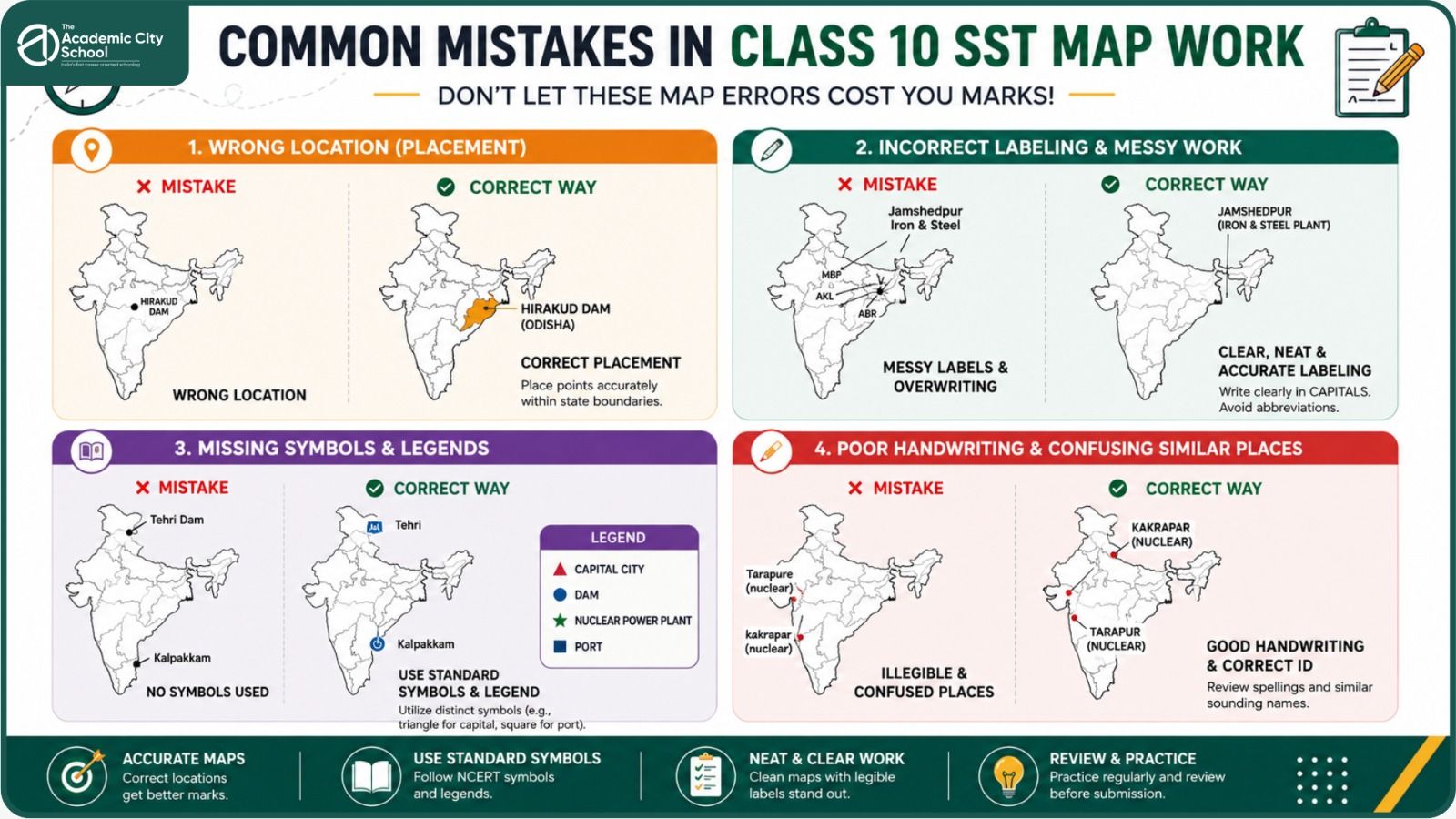 Figure 4: History map learning and event locations
Nationalism in India
- Locations tied to the National Movement
- Major Congress Sessions, as prescribed for the current session
- Key Historical Events and where they unfolded
Historical Importance
For every location, try building the habit of noting down four things together:
- Event
- Year
- Location
- Significance
Timeline Integration
The strongest students we have taught do not memorise maps and timelines separately, they weave the two together.
- Maps
- Timelines
- Historical Events
- NCERT References
Please stick strictly to the locations specified in the latest CBSE map list for the current academic session. History maps in particular are sensitive to yearly updates, so always verify against the current circular rather than an older list.
Important Locations You Must Memorize
Geography
- Rivers
- Dams
- Ports
- Mineral Areas
- National Parks
- Industries
- Transport Routes
History
- Congress Sessions
- Freedom Movement Locations
- Important Historical Places
TAC Memory Technique Location, then Chapter, then Concept, then Importance, then Revision. Follow that chain every single time you learn a new place and it becomes almost impossible to forget where something sits and why it matters. A Few Unique Facts Worth Knowing Every year a handful of curious students ask us questions that go slightly beyond the syllabus, and honestly, those are our favourite conversations. A couple of small facts tend to help these locations feel less like a list and more like real places with their own story.
Did You Know
- <br>• Many of India's major dams were built primarily for irrigation and flood control first, with power generation added as a secondary benefit, which is why you will find them clustered near agricultural belts rather than only near industrial ones<br>• Coastal ports in India developed historically along natural harbours, which is why their locations on the map often follow the coastline's geography rather than sitting at evenly spaced intervals<br>• Several Wildlife Sanctuaries and National Parks were established decades after the surrounding forest regions were already recognised as ecologically significant, so the boundary you see on a map today is often narrower than the original forest cover once was<br>• Congress Sessions in the freedom movement were deliberately held in different cities across the country over the years, partly to build a genuinely national character to the movement rather than concentrating it in one region
None of these small facts are required for a full mark answer, but they do make the map feel like something worth remembering rather than a chore to get through. We would encourage you to look for one such fact per chapter as you revise. It rarely takes more than a couple of minutes, and it makes the whole process noticeably less dry.
Map Marking Techniques & Presentation Tips
We have graded enough Social Science answer sheets to say this with confidence. Two students can know the exact same location, mark it in roughly the same place, and still end up with different marks purely because of presentation. Examiners work through a huge stack of papers in limited time, and a neat, clearly labelled map simply gets read and rewarded faster than a cluttered one. Presentation is not a minor detail here; it is genuinely part of the skill.
Five-Step Map Marking Method
- Identify the Correct Location before you even pick up your pencil
- Use Standard Map Symbols, wherever applicable
- Label Neatly, in small clear handwriting
- Avoid Overcrowding, give each label its own space
- Review Before Submission, one last scan can catch silly slips
Presentation Tips
- Use a Sharp Pencil so lines stay thin and clean
- Keep Labels Legible, examiners cannot award marks for what they cannot read
- Avoid Stray Marks on the map
- Maintain Proper Spacing between labels
- Follow CBSE Instructions exactly as given on the question paper
Map-Based MCQs & Competency Questions
This is where the exam has genuinely evolved over the last few years. It is no longer enough to simply point at a location, you are increasingly asked to reason with it. A good way to prepare for this shift is to practise explaining your map answers out loud to yourself or a study partner, not just marking them silently. If you can locate a national park on the map and also say, in one or two sentences, why it exists where it does and what it protects, you are already thinking at the level these newer competency questions expect. This small habit, explaining rather than just pointing, tends to make the biggest difference in how comfortable students feel with this question type on exam day. What This Section Includes
- Map Identification MCQs
- Assertion and Reason Questions
- Case Studies
- Source Based Questions
- Blank Map Practice
- Location Based Questions
Real Life Applications
- Environment
- Transportation
- Resource Management
- Historical Analysis
- Economic Development
Previous Year Map Question Analysis
Looking back at previous year papers gives a fairly clear pattern of what tends to repeat.
| Topic | Trend |
|---|---|
| National Parks | Very High |
| Dams | High |
| Ports | High |
| Mineral Areas | High |
| National Movement Locations | High |
TAC Insight CBSE frequently revisits the same set of prescribed NCERT map locations year after year, which makes repeated, spaced practice one of the most reliable revision strategies available to a Class 10 student. We say this every year and we will keep saying it. If you had to pick just one takeaway from analysing old papers, it is that the board rarely introduces a completely unfamiliar location out of nowhere. The names that show up tend to be the same names that have shown up for several sessions running, just occasionally reshuffled into a different question format. That is genuinely good news for you as a student, because it means your preparation is not a gamble against unknown content, it is a fairly bounded, learnable list that rewards steady revision far more than last minute luck.
Common Map Work Mistakes That Cost Marks
- Wrong Location marked on the map
- Incorrect Labels, even for a correctly marked spot
- Poor Handwriting that examiners struggle to read
- Missing Symbols where the question specifically asks for them
- Confusing Similar Places, a fairly common slip under exam pressure
- Lack of Revision closer to the exam date
Common mistakes in Class 10 Social Science map work
Faculty Observation In our experience, students usually lose marks because of incorrect placement and untidy labeling rather than any real gap in understanding the concept. In other words, most map mistakes are fixable with practice, not with more studying. We have noticed one particular pattern worth flagging separately, confusing places that sound or look similar on the map. A river and a nearby dam sharing part of their name, for instance, or two mineral belts that sit fairly close together geographically. The fix is almost embarrassingly simple, practise those specific pairs side by side a few extra times rather than treating them as part of the general list, and the confusion usually clears up within a week or so.
Smart Memory Techniques for Map Learning
Revision Toolkit
- Blank Maps
- Colour Coded Maps
- Flashcards
- Chapter Wise Location Lists
- Mnemonics
- A dedicated PYQ Notebook
TAC Memory Formula Observe, then Locate, then Label, then Recall, then Revise. Run through this five step loop for every chapter and the locations genuinely start to stick on their own, without forced cramming. Colour coding deserves a special mention here because students tend to underestimate it. Assign one colour per theme, say blue for water related locations, brown for mineral and energy related ones, and green for forest and wildlife related ones. When you later try to recall a location during the exam, that colour association often surfaces in your memory before the name itself does, and from there the name usually follows within a second or two. It sounds like a small trick, but over an entire syllabus it saves a surprising amount of recall time.
15-Day Map Revision Blueprint
| Days | Focus |
|---|---|
| 1 to 5 | Geography Maps |
| 6 to 10 | History Maps |
| 11 to 13 | PYQs and Competency Questions |
| 14 | Full Length Practice |
| 15 | Final Revision |
This blueprint works best when you treat it as a floor, not a ceiling. If Geography maps take you eight days instead of five, that is fine, just make sure History and revision still get their fair share of time before the exam. A quiet suggestion from us, run this fifteen day blueprint more than once across the year rather than treating it as a single one time event before the board exam. Once in October or November as a first proper pass, and again closer to the exam as a sharper, faster revision cycle. The second time round, each day takes far less effort because the groundwork is already there, and that is exactly the feeling of confidence we want every one of our students walking into the exam hall with.
Why Students Choose The Academic City School
What Makes TAC Different
- CBSE Aligned Social Science Curriculum
- Interactive Smart Classrooms
- Visual, Map Based Learning
- Experienced Faculty who actually enjoy teaching this subject
- Personalized Academic Support for students who need extra attention
- Board Oriented Preparation from the very start of the year
Outcomes Our Students See
- Strong Map Skills
- Better Board Scores
- Improved Visual Memory
- Faster Revision
- Higher Accuracy
- Structured Exam Preparation
Map work is one of those rare topics in Class 10 Social Science where consistent, structured practice really does translate directly into marks. At The Academic City School, we would rather help you build that habit early, in October and November, than watch you cram it in the final week of February. Start with one chapter, one blank map, and five minutes a day. The rest tends to follow. Our faculty team keeps a close eye on every session's sample paper and marking scheme, and we update our chapter lists and practice material accordingly, rather than reusing the same fixed content year after year. That is a small distinction, but it matters, because a map guide built on last year's pattern can occasionally miss a small shift in this year's paper. If you are a TAC student, your class teacher will always have the most current version of these lists for you. If you are exploring TAC as a school for the first time, we would be glad to walk you through how our Social Science classrooms actually run this preparation day to day.
Frequently Asked Questions
How important is map work in Class 10 Social Science?
It is genuinely one of the most reliable scoring areas in the paper, since the locations tested come directly from the NCERT textbook and repeat in a fairly predictable pattern across sessions. Students who dedicate even modest, regular time to it tend to secure these marks far more consistently than they do in other written sections, simply because there is less ambiguity in what is being asked.
Which Geography maps should I practice for the board exam?
Focus on Resources and Development, Forest and Wildlife Resources, Water Resources, Agriculture, Minerals and Energy Resources, Manufacturing Industries, and Lifelines of National Economy, in that order. Working through them in this sequence mirrors how the concepts build on one another in the textbook, which makes the locations easier to place in context rather than memorise in isolation.
Which History locations are important?
Locations tied to the National Movement, major Congress Sessions as prescribed for your session, and key historical events form the core of History map work. Always attach a year and a one line significance to each location rather than learning the place name on its own.
How can I memorize map locations quickly?
Follow the TAC Memory Formula: Observe, Locate, Label, Recall, and then Revise. Doing this consistently, rather than in one long sitting, makes a noticeable difference. Pairing it with colour coding by theme speeds up recall even further.
How often should I practice maps?
A little bit daily works far better than one long session before the exam. Even ten to fifteen minutes a day on blank maps adds up quickly over a few weeks, and it keeps the locations fresh in a way that occasional long sessions simply cannot match.
Are map questions asked every year?
Yes, map based questions appear in the Social Science board paper every year, though the exact format and number of questions can vary slightly with each session's marking scheme. Always check the current year's sample paper for the latest pattern.
Can I download blank map PDFs?
Yes, blank India maps and chapter wise location lists are available in our free downloadable map practice toolkit mentioned above, along with a labeling guide to check your own work against.
What are the best tips for scoring full marks in map work?
Mark the correct location, label it neatly, avoid stray marks, follow CBSE instructions precisely, and always do a final review of your map before submitting the paper. These five habits, practised together, are what consistently separate full marks from partial marks in our students' answer sheets.